


intro
The Terroir and the Method
The Wines: Tasting, Serving and Matching

The back story

01Origins
02Development
03Pinot in Piedmont
04cutting-edge oenology
05Spumante Makers
Origins and Development of the Classic Method in Piedmont
Origins and Development of the Classic Method in Piedmont
From an essay byPierstefano Berta e Giusi Mainardi
Key Factors
At the start of the 1900s, Piedmont was the only Italian region producing high end spumantes, fit to compete on premium markets in Italy and abroad. Spumante from Piedmont was present at the great international Expos of the time: for example, the legendary Paris Expo Universelle, in 1900. Its acknowledged quality also allowed it the honor of being served at official ceremonies and state banquets at the Italian Royal Court.
The adventure story of the birth and development of spumante in Piedmont is long, complex, variegated and studded with extraordinary characters.
The key concepts can be broken down into some fundamental elements, such as technical skills, dedicated structures, financial solidity, familiarity with the markets and managerial capabilities. These results, achieved during the course of the 1800s, were then transferred and circulated in the 1900s to other winemaking regions of Italy; thanks to the trailblazing efforts of the first Piedmont producers, they were in turn able to create original and innovative products, filling out the ranks of Metodo Classico spumantes with the many new nuances we enjoy today.
The Time-Honored Piedmont Passion for Bubblies 1500-1800
Sparkling wine from Piedmont was already well-known in the seventeenth century. It was therefore only natural that the region paid close attention to the great French innovation of the start of the 1800s: the invention of a new method of making sparkling wine, the “méthode Champenoise”, first used in Champagne precisely at the turn of the nineteenth century.
This is how the Piedmont story of what we now call the “Metodo Classico” began.
Piedmont Spumante Takes Its First Steps 1830-1840
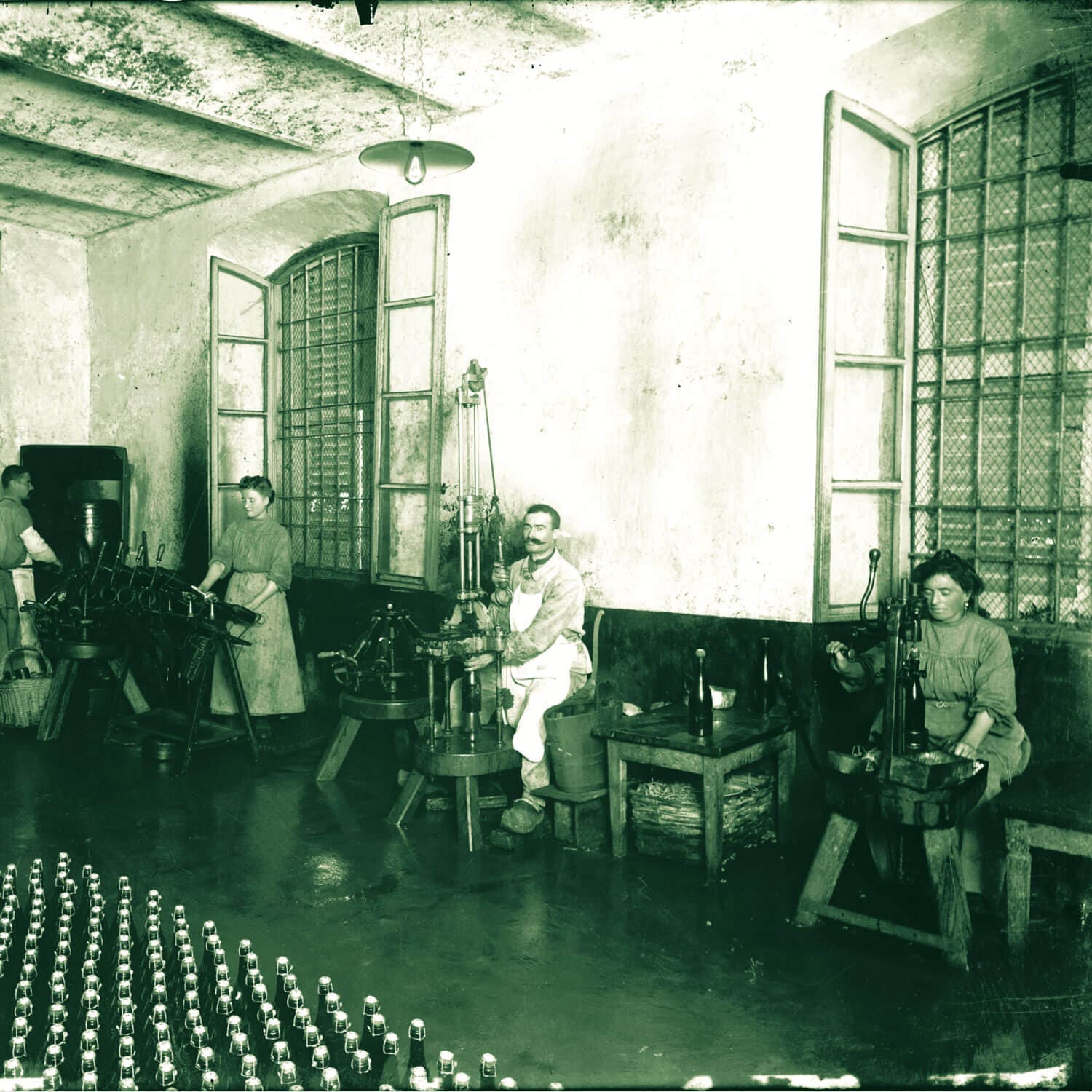
Spumante disgorgement and packaging line – F.lli Gancia archives
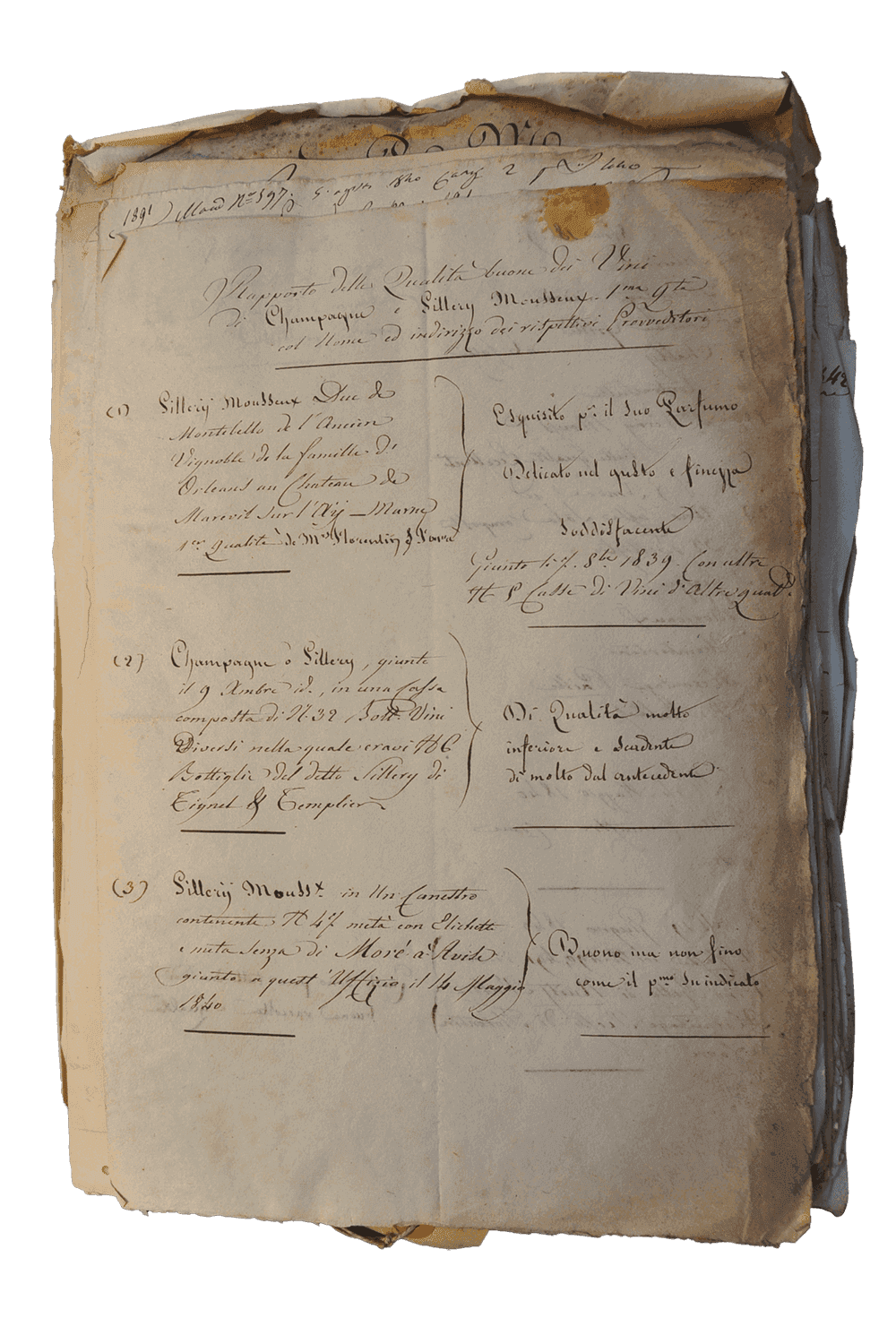
Savoy court notice on Champagne tasting – State Archives, Turin
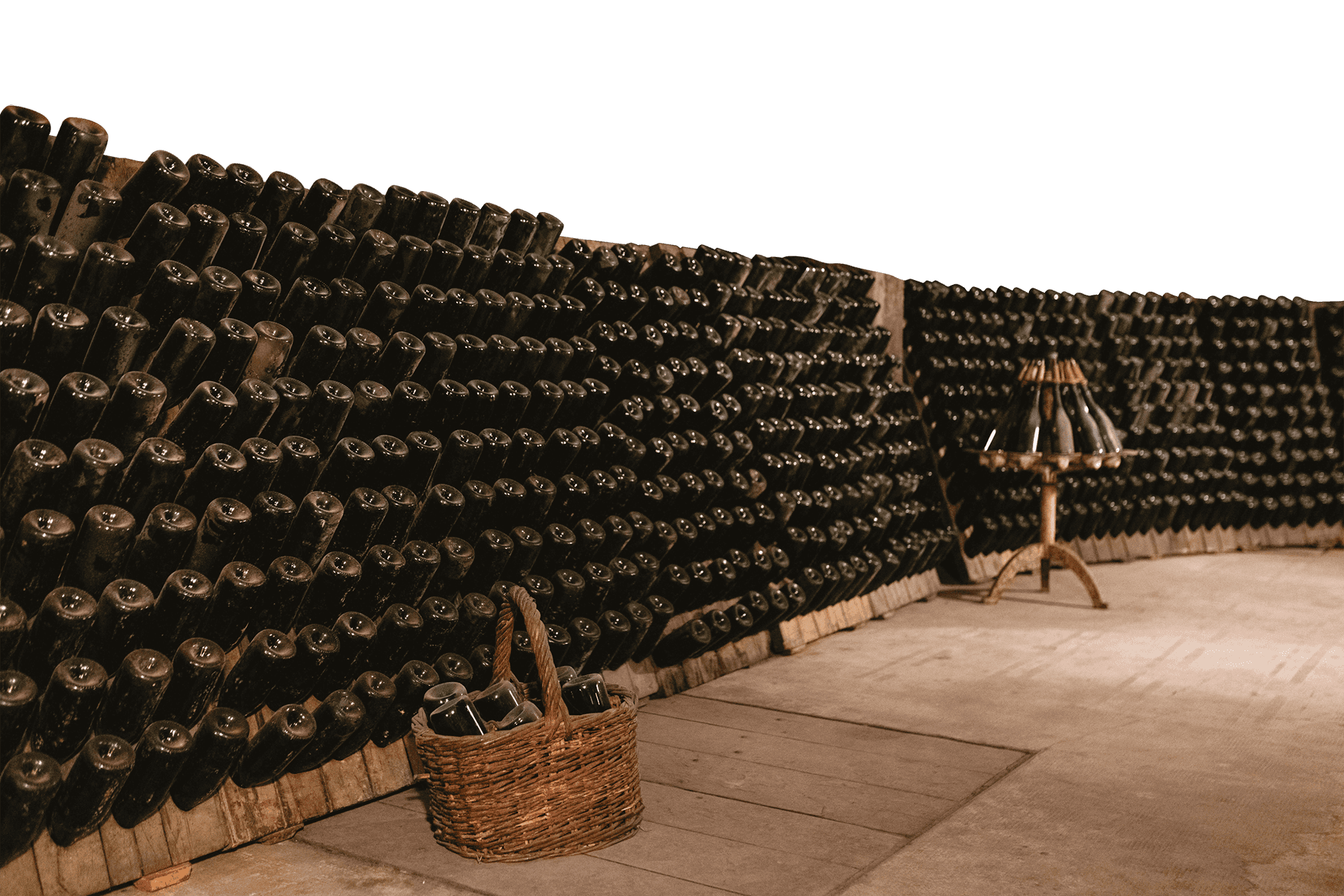
Between 1700 and 1800 a change occurred that marked an important chapter in the story of spumante wine. Key modifications were made to the decanting process, by adding the riddling and disgorgement procedures. The wine lost in the last step was replaced by a liqueur d’expédition composed of wine, sugar and possibly distillates.
The “new” Champagne, limpid, stable, of consistent quality and sweet or less sweet, according to the clients’ tastes, was given pride of place at the tables of the upper class, becoming a symbol of elevated social status. The royal courts of Europe made a show of drinking it and offering it to their guests. Piedmont was no exception: the well-stocked cellars of the Royal House of Savoy were home to many expensive bottles of Champagne.
Piedmont seized on the appeal and the opportunities offered by the production of this new kind of wine, stepping up as the pioneering region for the first experiments in making wine in the “style of Champagne”.
Exquisitely aromatic. Delicate in taste and finesse. Satisfying.
The Initial Elite Production 1840-1860
To make a high-end spumante, costly to produce, elite, several key elements must be combined:
- massive financial resources, necessary for the start-up;
- temperature-controlled cellars suitable for aging bottle-fermented spumante;
- special equipment and dedicated materials;
- profound technical expertise and well-trained personnel.
These components came together for the first time at a moment that can be precisely pinpointed: the place was the “Tenimento di Polenzo” [Pollenzo estate], property of King Carlo Alberto; the period was the decade between 1838 and 1848.
Carlo Alberto and his steward, Count Castagnetto, decided to rationalize the production of wine in the royal estates by building a centralized hub that would be managed according to modern criteria and dedicated to agricultural and oenological experimentation, the Pollenzo Agency. One of the aims of this innovative project was to produce wines of high quality, fit to grace the royal tables but also available to the general public. This meant that they would have to travel well, so that they could be sold to foreign buyers.
The technical management of the cellars was entrusted to General Paolo Francesco Staglieno, a well-known expert winemaker. Staglieno applied his talents to an ambitious request from Carlo Alberto: produce a spumante as good as a Champagne.
In 1843, after having gotten the work under way, General Staglieno left the Pollenzo cellars, but the productions he had begun were continued. Specifically for the production of the “King’s champagne”, it was thought necessary to have special cellars that were completely underground, with the same characteristics that had proved fundamental in France for making Champagne. In 1846 the Royal House therefore began construction of the “Moscatello” wine cellars, near Santa Vittoria d’Alba, on one of the 4 holdings that composed the Royal Estate of Polenzo, along with Roddi, Verduno and Pollenzo itself. The cellars, excavated entirely under a hill and including several tunnels, soon opened for operation and in 1849 40,000 Metodo Classico bottles were already aging there.
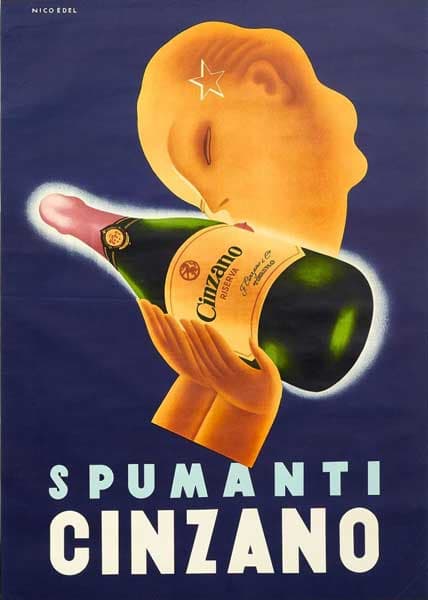
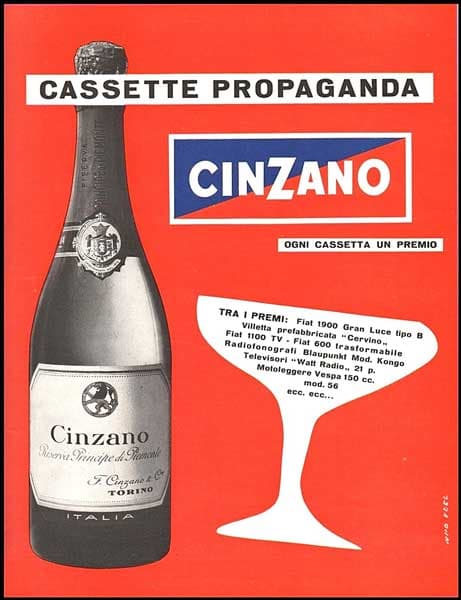
After some years, the structure was leased to the well-established Casa Cinzano, which made it its headquarters and then finally purchased it in 1893. Together with Vermouth di Torino, Ditta Francesco Cinzano e Compagnia continued and expanded the production of classic method spumante, so much so that at the close of the nineteenth century, it was the most productive facility in the entire province of Cuneo.
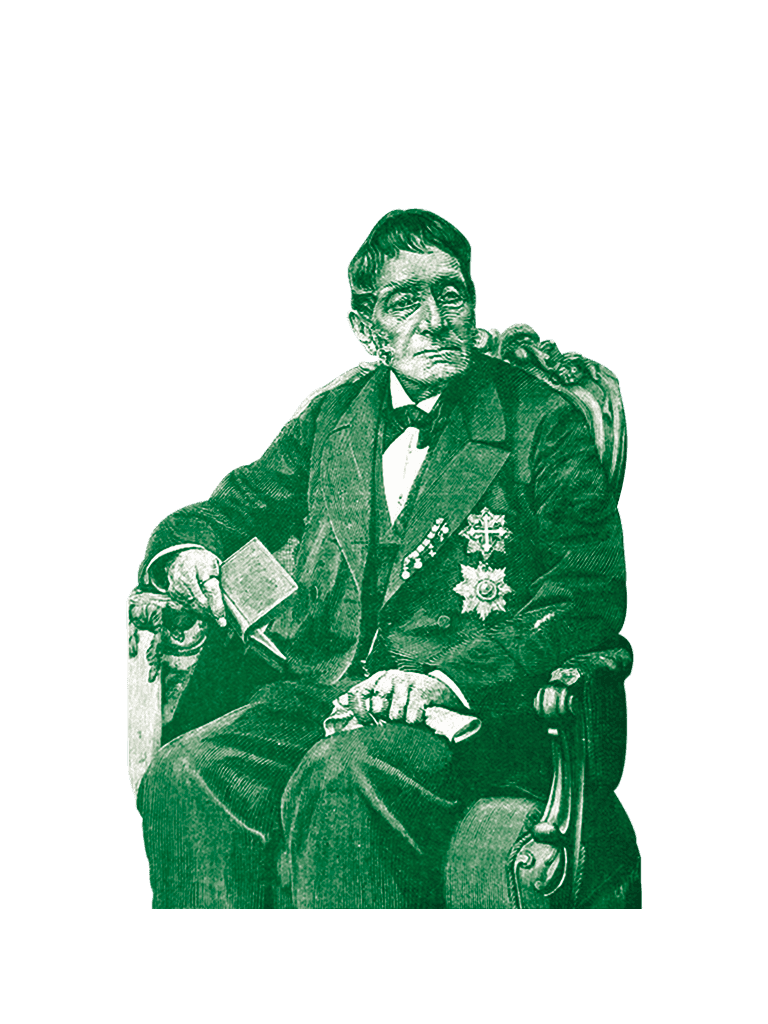
Cesare trabucco count of Castagnetto
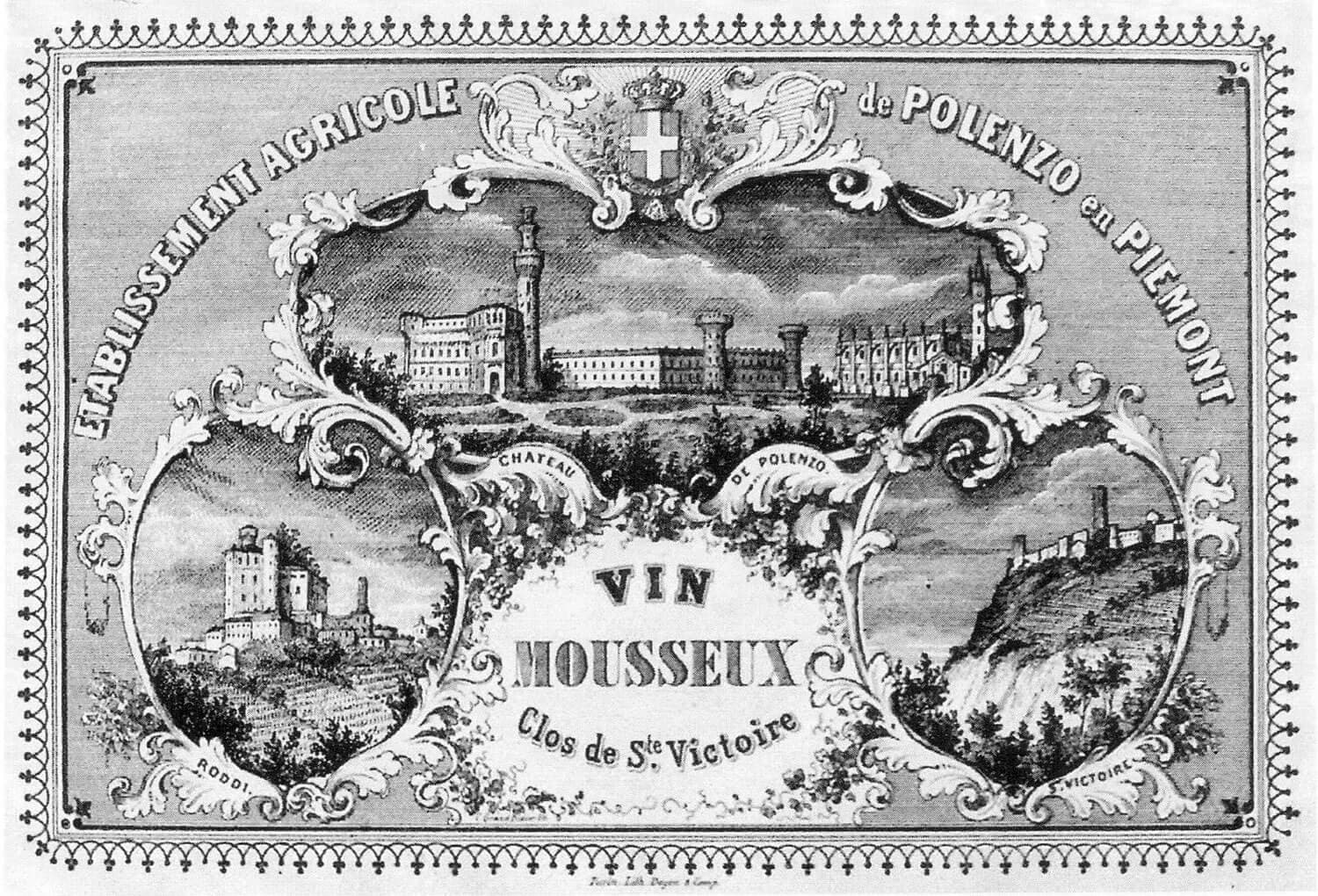
Pollenzo Royal Estate - Sparkling wine label
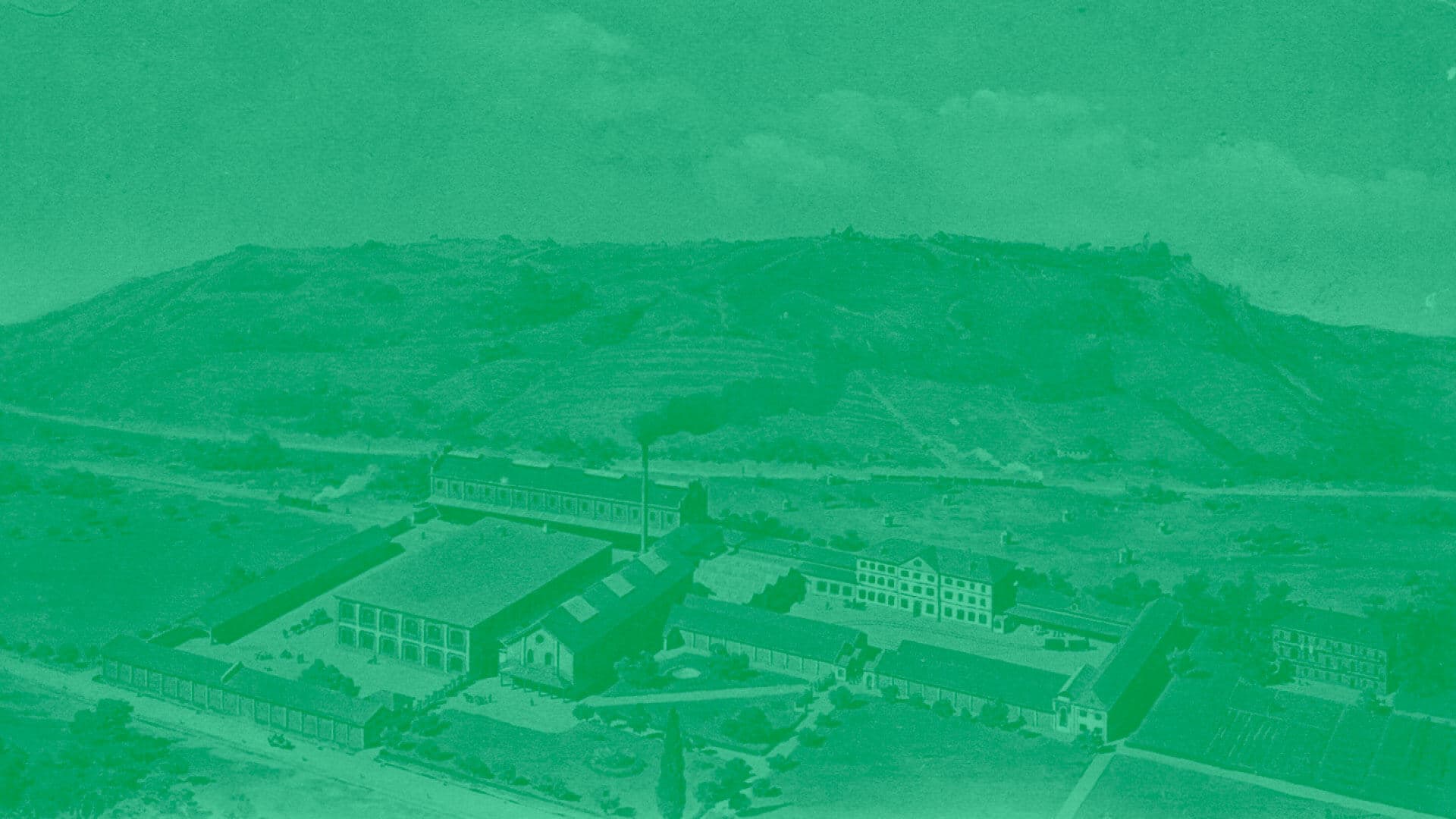
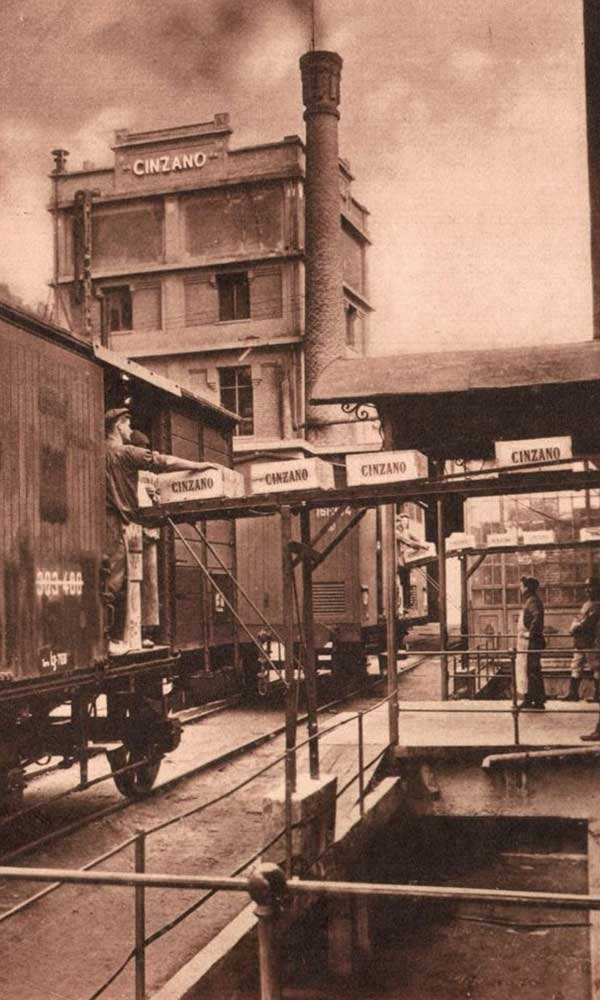
Cinzano factory in Santa Vittoria d'Alba
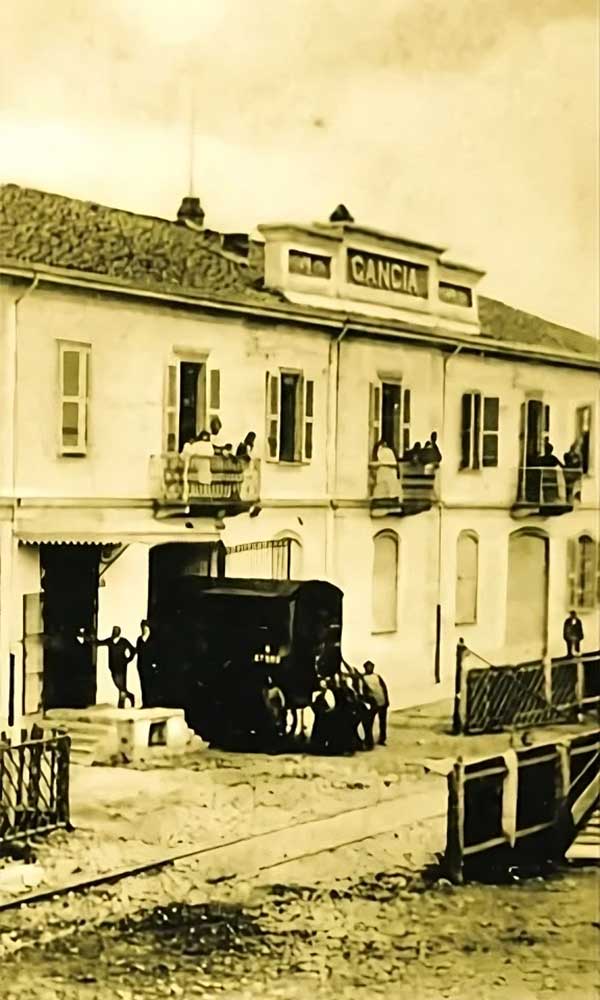
Gancia factory in Canelli

Cora factory in Costigliole
The Roaring Decades of Big Wine 1860-1880
King Carlo Alberto’s pioneering forays had confirmed the need for ample funding, dedicated structures and technical expertise in order to set up a successful, large-scale production of bottle-fermented sparkling wine. These elements were hard to find amongst the winemakers of the time, most of whom were of modest size and means.
The idea that arose and was implemented after 1860 was to form large wine companies, funded by multiple investors.
These companies, either singly or in partnership, built big production facilities during the 1870s. They presented their spumantes at the international fairs and received medals from expos: their financial positions were excellent and their dividends more than generous… but then they had to come to terms with a fundamental problem that turned out to be unsolvable: the lack of a structured outlet to the market.
In the 1880s, these companies closed down. But not all was lost: anything but, in fact. The technical know-how acquired during the roaring decades increased and expanded.
Champions of the Bubbly 1880-1900
Starting in 1880, a new class of entrepreneurs made their debut. With an eye to the markets and open to innovation, thanks to Vermouth di Torino they had amassed enough capital to invest in the creation of big companies, with modern equipment, bigger bottling and packaging lines and sales networks in an incredible number of countries.
Carlo Gancia, Alessandro Martini, Arnaldo Strucchi, Giovanni Boschiero, Alberto Contratto, Enrico Cora, Emiliano Cinzano, Domizio Cavazza… these are the names of the “knights” of spumante, champions of an epic exclusive to Piedmont who wrote the story of Metodo Classico spumante.
Canelli’s underground cathedrals
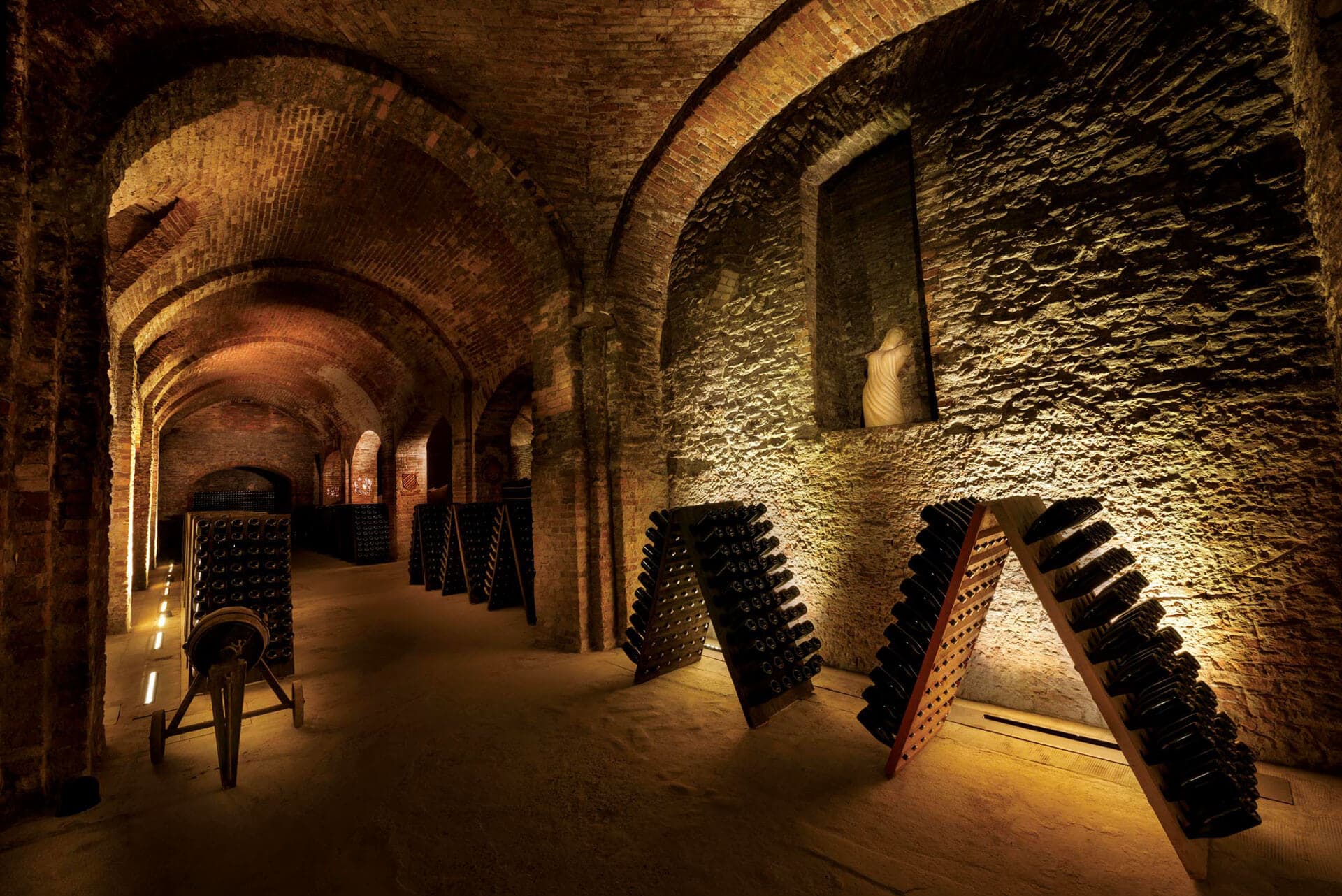
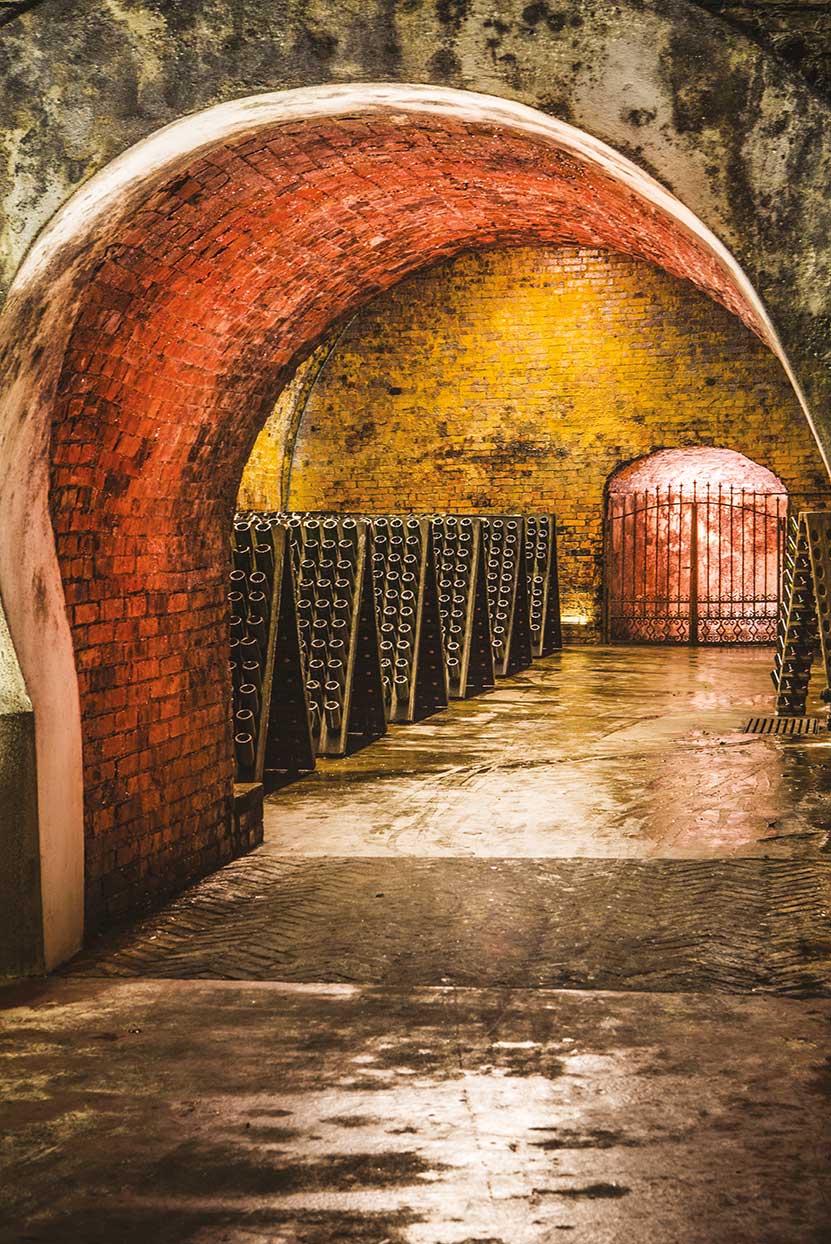
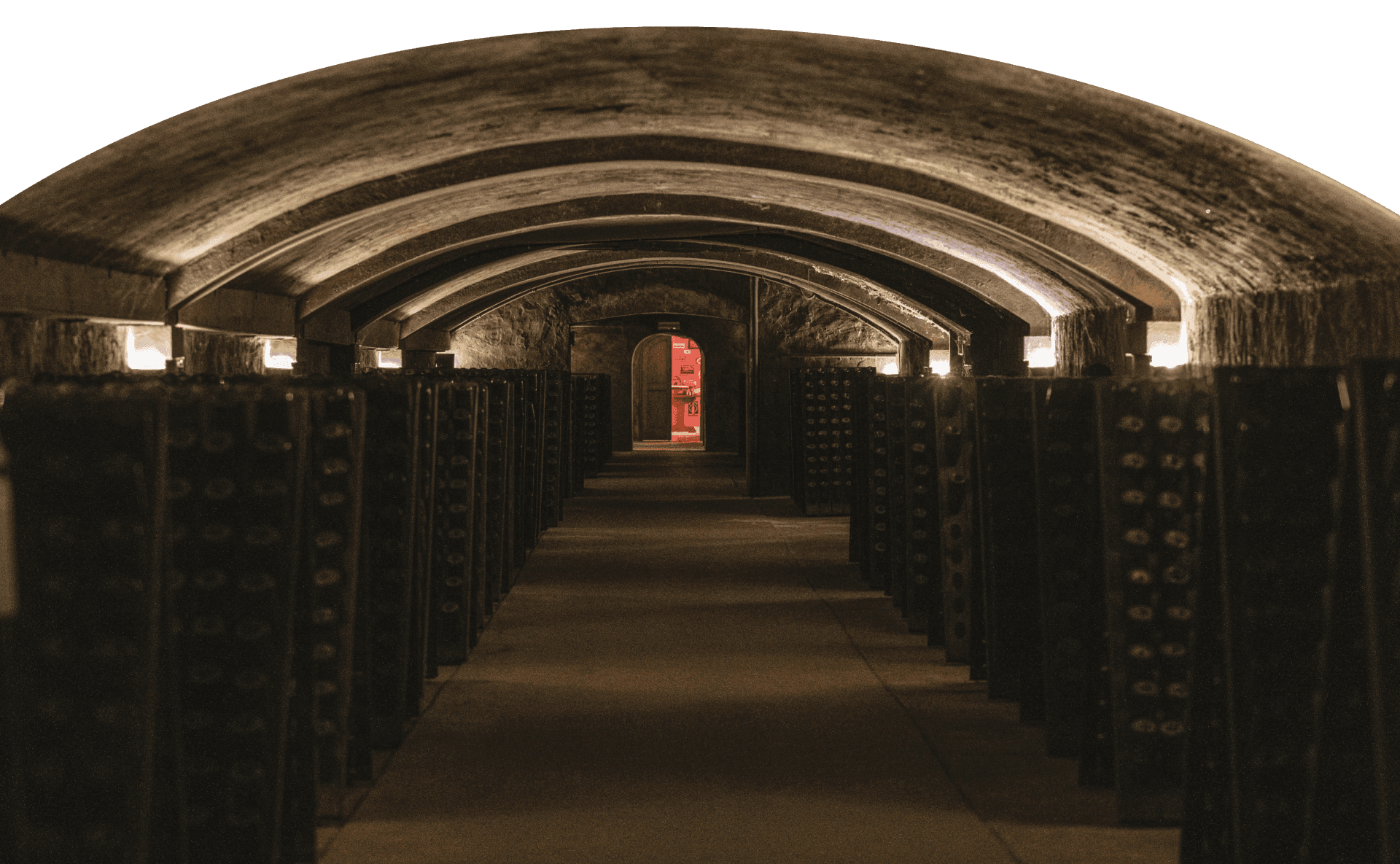
Canelli, a town symbolic of Piedmontese winemaking, is home to a unique example of oenological architecture. Under the town’s streets, on several levels, there are more than twenty kilometers of cellars dug out of stone. Long, cool corridors, silent and dimly lit, wind under the barrel, groin, or vaulted arches. Here, at a constant temperature of 12-14°C, the most prized Canelli spumantes develop as they age.
In fact, at the end of the 1800s, an important production of bottle-fermented spumante began, in two versions: the sweet “Moscato Champagne”, made from Moscato bianco grapes, a varietal quite common in the hills around the town, and the dry “Champagne Italiano”, which was instead made primarily with Pinot grapes.
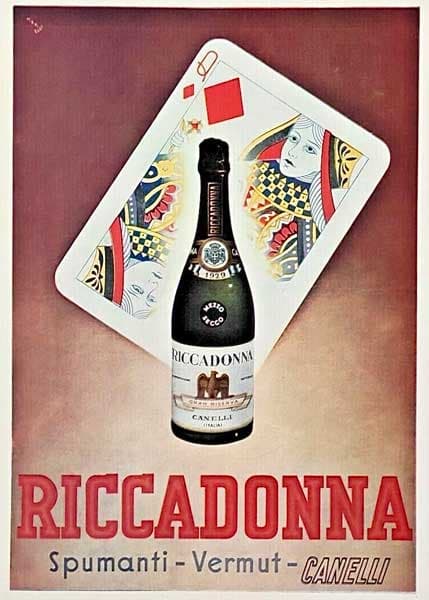
Big spumante makers from Canelli made their names with these products and achieved international prominence: Bosca, Contratto, Coppo, F.lli Gancia and Riccadonna
Starting in 1900, the Canelli wine cellars became “underground cathedrals”, where sparkling wines were aged before being shipped to the four corners of the world.
In 2014, those historic cellars were recognized by UNESCO as a World Heritage Site, part of the “Wine Landscapes of Piedmont: Langhe-Roero and Monferrato”, and even today they continue to host numerous bottles of Metodo Classico wines under the Alta Langa DOCG designation.
Pinot in Piedmont
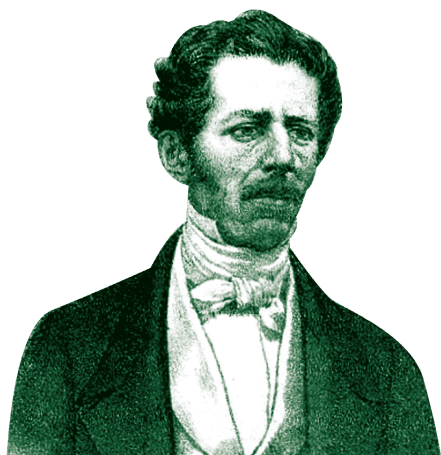
Emilio Balbo Bertone of Sambuy
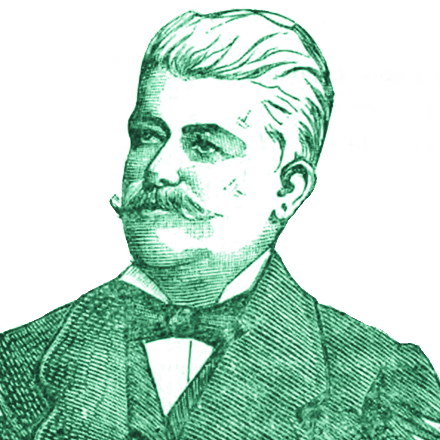
Giovanni Boschiero
Carlo Gancia
According to nineteenth-century documents, the first to introduce Pinot nero in Italy was General Marquis Emilio Balbo Bertone of Sambuy, who had planted vines in the first decades of the 1800s on his land in Lesegno, near Mondovì.
Some years later, a Frenchman, Louis Oudart, a wine merchant and consultant in Piedmont, planted some vineyards of Pinot nero in several of his properties around Cuneo, some of which stood out for their ample size.
In the province of Turin, Pinot was cultivated by Commendator G. Rho in the area of Pinerolo, by Counsel Melano in his vineyards in Rivoli and by Counsel Luigi Giordan in Chieri. Count Luigi Provana of Collegno grew “Pinot bianco Chardonay” (sic) in considerable quantities in Cumiana, praising it for its consistent production yields and especially appreciating its quality.
Around Alessandria and Asti, the first to plant vineyards with Pinot were Giovanni Battista Panizzardi of Castelnuovo Scrivia and Giovanni Boschiero of Asti. Boschiero, an esteemed expert enologist and member of judges’ panels in international fairs, produced several types of wine with success. Boschiero’s wine cellars, “La Galleria” were reputed exemplary: in 1883 they held 60,000 bottles of spumante, a wine for which he also was awarded the “first medal for spumantes” at the 1883 Agrarian Congress, in Alessandria.
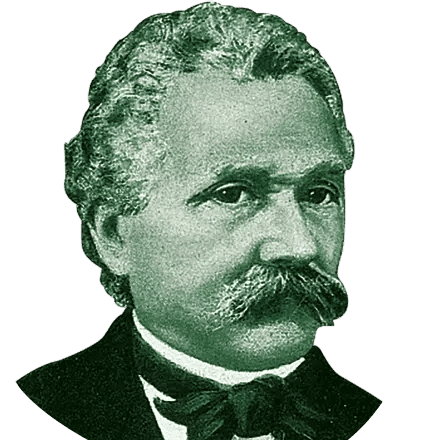
In light of the success of this experiment, Carlo Gancia and his company, Fratelli Gancia & Co. of Canelli began to be interested in this varietal and positive results led him to encourage the cultivation of Pinot among the vineyard tenders around Canelli. The Gancia winery thus became the main buyer of Pinot grapes grown in the hills around Asti, Canelli and Neive.
The growth of spumante production in Piedmont, and in particular the resounding success of Gancia determined the destiny of Pinot grapes in areas outside Piedmont’s modern borders, especially in the Oltrepò Pavese, an area now in Lombardy which had been part of the Kingdom of Sardinia until Italy became a state.
Piedmont Leads the Way: Emergence and Spread of a new Oenology
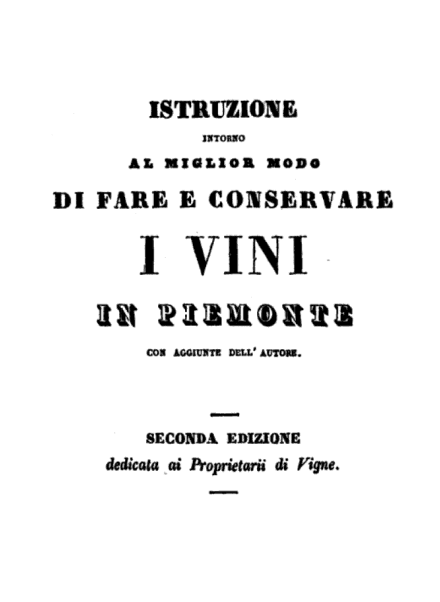
Oenology essay - P.F. Staglieno ii edition Turin, 1837
Another important sign of the role played by Piedmont, besides the creation of the Experimental Oenological Centers, was the 1881 founding of the historic “Royal School for viticulture and oenology”, later named after King Umberto I, and the birth of publications specifically dedicated to viticulture and oenology.
The contributions of brilliant technicians and the fundamental role of specialized publications propelled Piedmont in the second half of the nineteenth century to be recognized throughout Italy as the most authoritative and trustworthy source of information on spumante production methods.

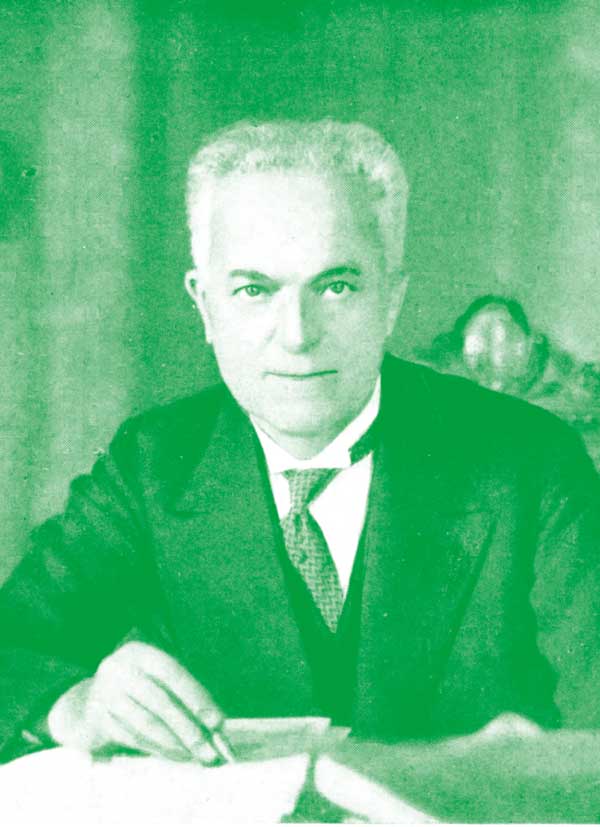
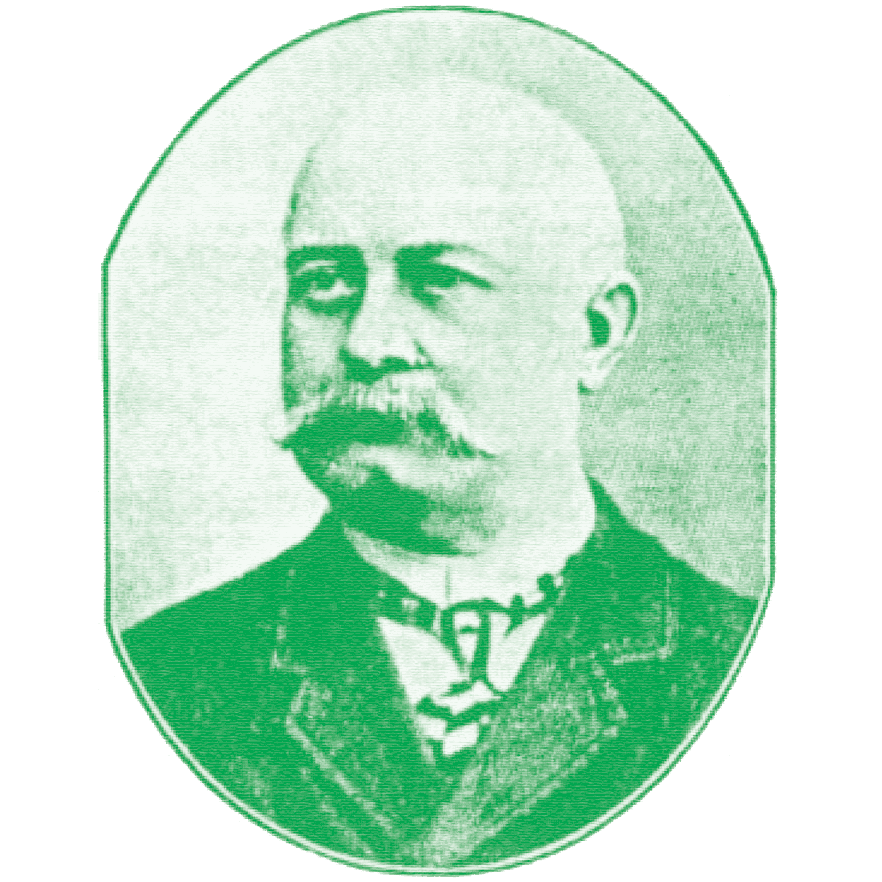

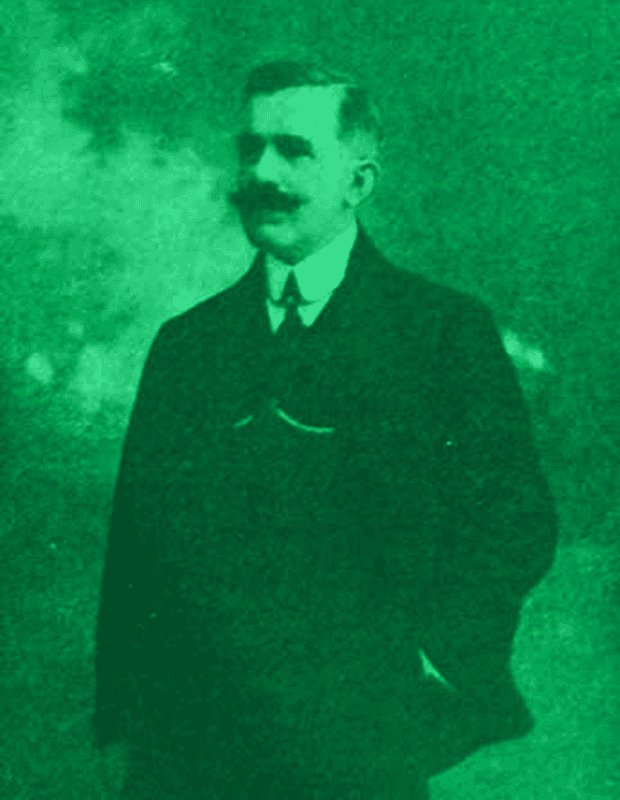
(1773 - 1850)
Paolo Francesco Staglieno
First named oenologist by Count Camillo Benso di Cavour and entrusted with the management of his wine cellars in Grinzane, he later served King Carlo Alberto as director of the private wine cellars of the House of Savoy at the Royal Holding in Pollenzo.
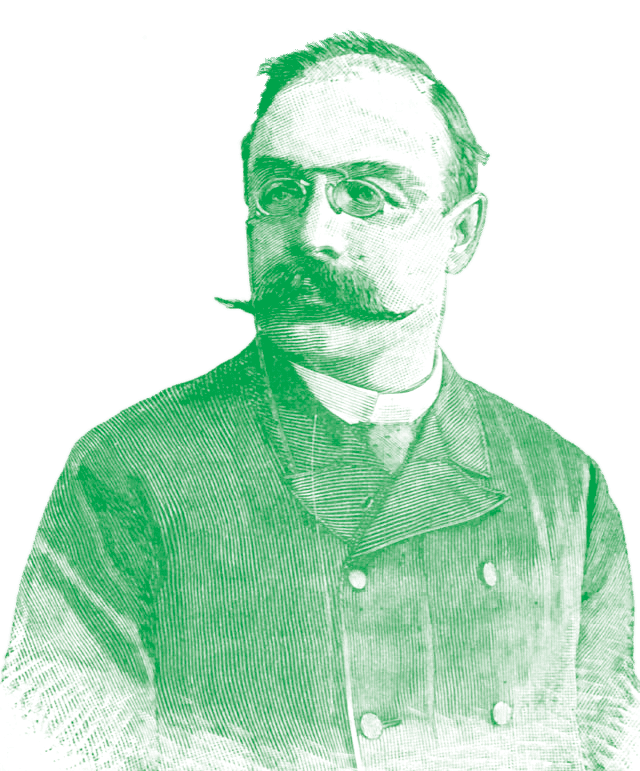
(1849 - 1893)
Ottavio Ottavi
In 1878 he published a book entitled I vini di lusso, vermouth e aceti [Luxury wines, vermouth and vinegars], in which, with regard to luxury wines, he gave detailed instructions on how to produce spumante according to the “metodo Champagne”, or classic method.
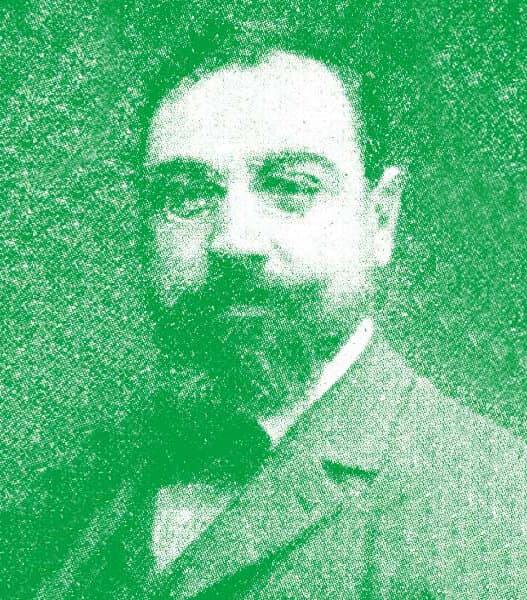
(1860 - 1917)
Edoardo Ottavi
It was at his behest that Arturo Marescalchi came to Casale Monferrato, leaving his post on the faculty of the Conegliano Winemaking School. The Ottavi-Marescalchi duo became famous for the amount and importance of the work produced, among which one of the most successful was the “Vademecum del commerciante di uve e di vini in Italia“ [A wine merchant’s guide to the grapes and wines of Italy], published in Casale in 1897.
(1869 - 1955)
Arturo Marescalchi
Interested in spumante and aware of the importance of a special tasting approach for this type of wine, in his book, “La degustazione e l’apprezzamento dei vini” [Tasting and appreciating wine] (1920) he set out some guidelines.
(1860 - 1924)
Federico Martinotti
In 1895, he filed a patent in Turin for a continuous processing apparatus for spumante, a technology that a few years later would revolutionize spumante-making with the name of “Charmat method”.
(1853 - 1913)
Arnaldo Strucchi
He formalized in a structured manner the qualitative pyramid that would later serve as the basis for characterizing Italian spumantes.
(1868 - 1954)
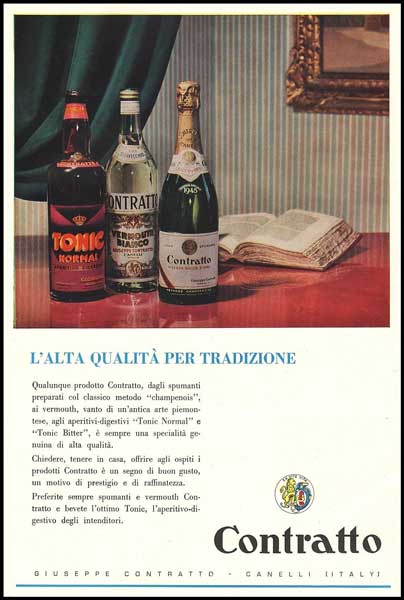
Alberto Contratto
Head of the celebrated Canelli winery of the same name, in 1923 he proposed that spumante be subdivided into three categories, as follows:
- GROUP 1 | CLASSIC CHAMPAGNE METHOD
These can be defined: “Gran Spumante” with the reference “Natural Fermentation.” - GROUP 2 | SPUMANTE PRODUCED WITH A HYBRID SYSTEM
The spumantes that undergo a second fermentation in the bottle, then filtration; or the spumantes that undergo “natural fermentation in large tanks”. - GROUP 3 | ARTIFICIALLY CARBONATED SPUMANTE
Those with added carbon dioxide.
- GROUP 1 | CLASSIC CHAMPAGNE METHOD
The Age of the Spumante Makers 1900 - 1960
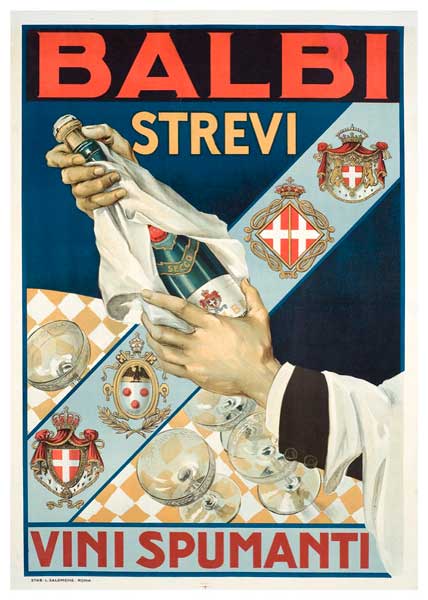
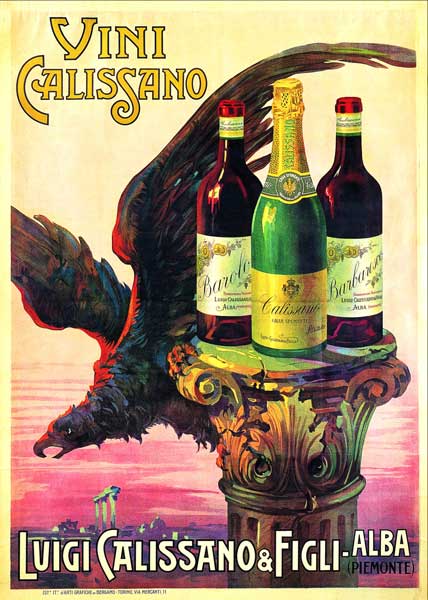
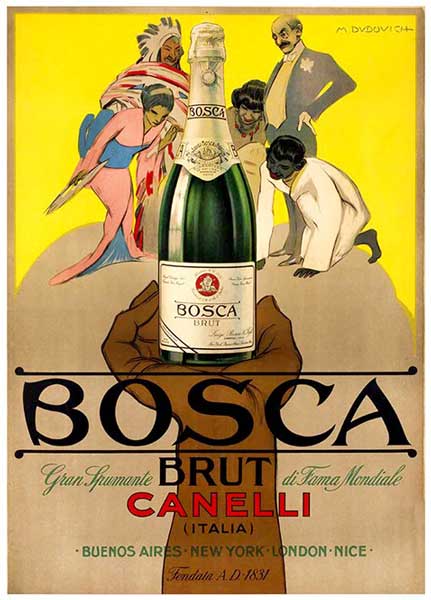
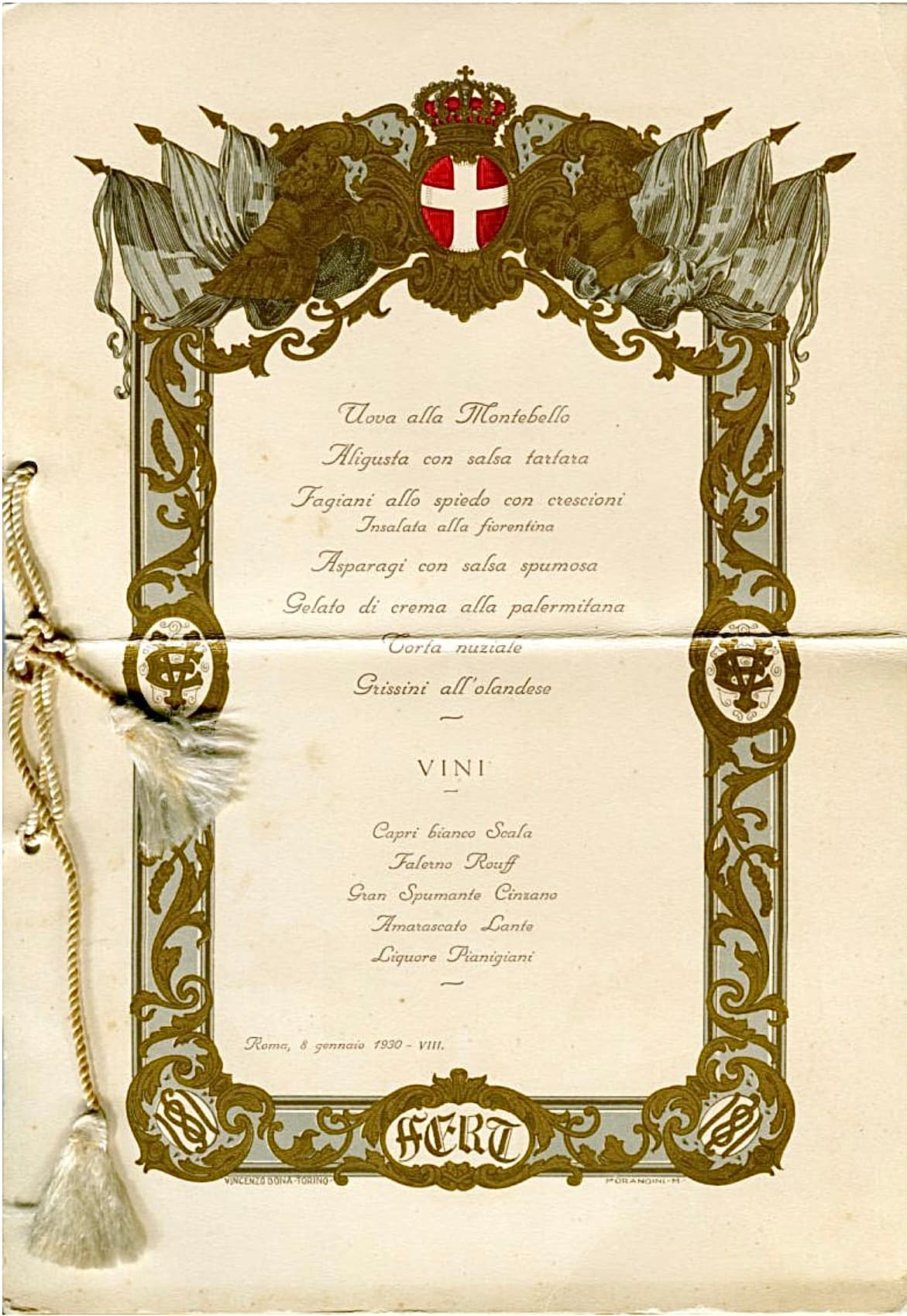
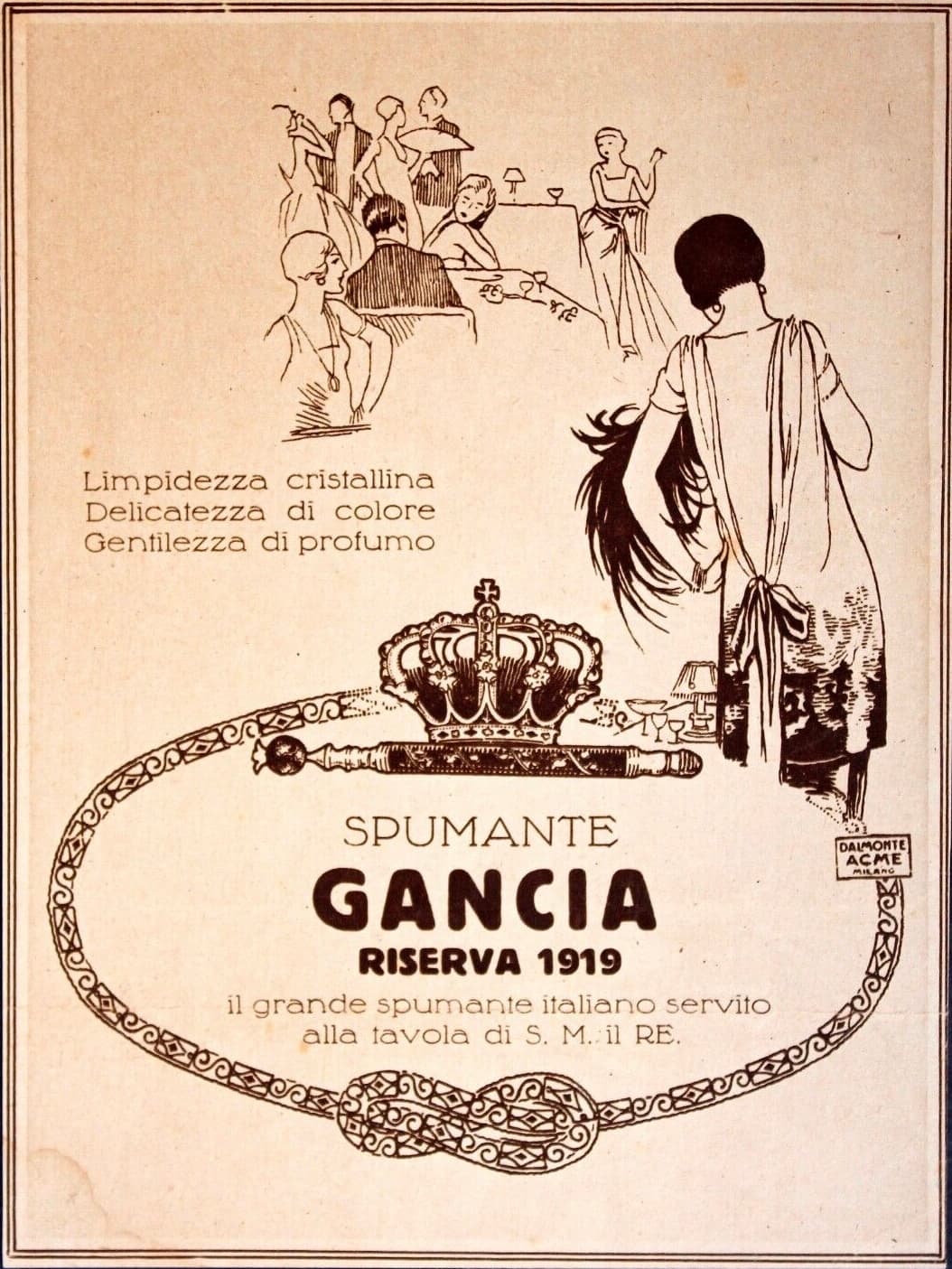
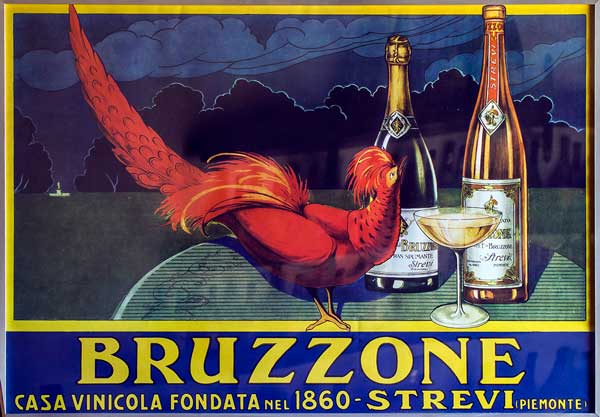
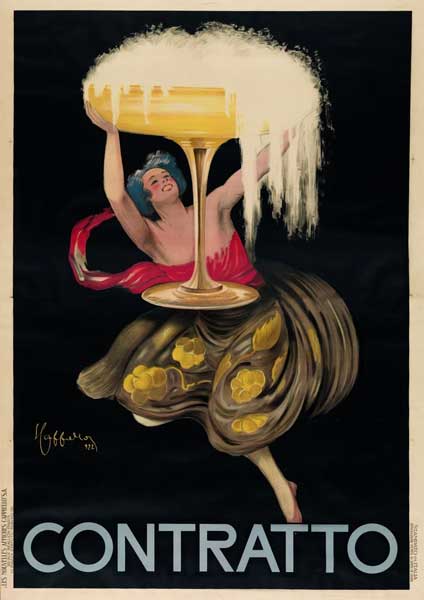
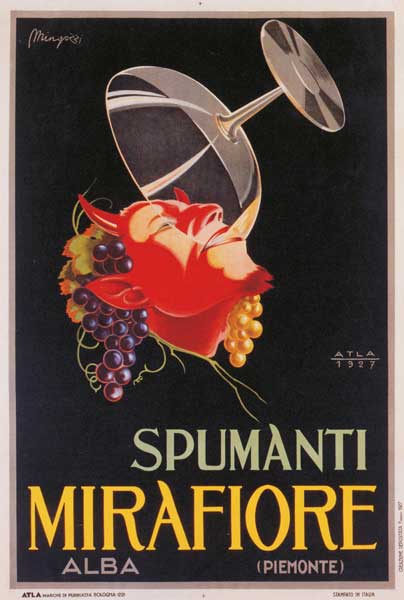
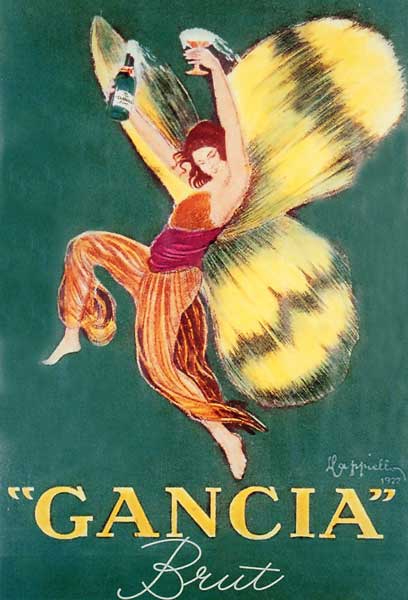
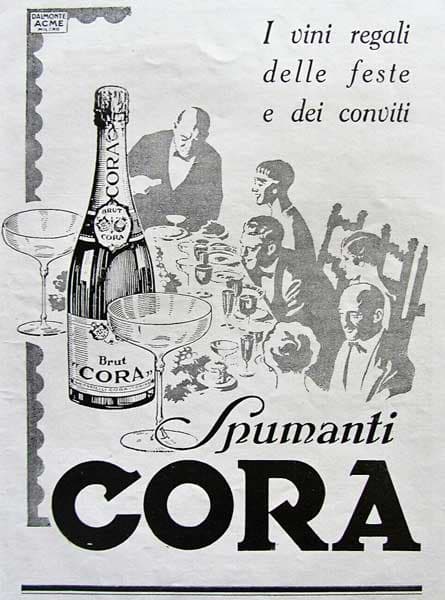
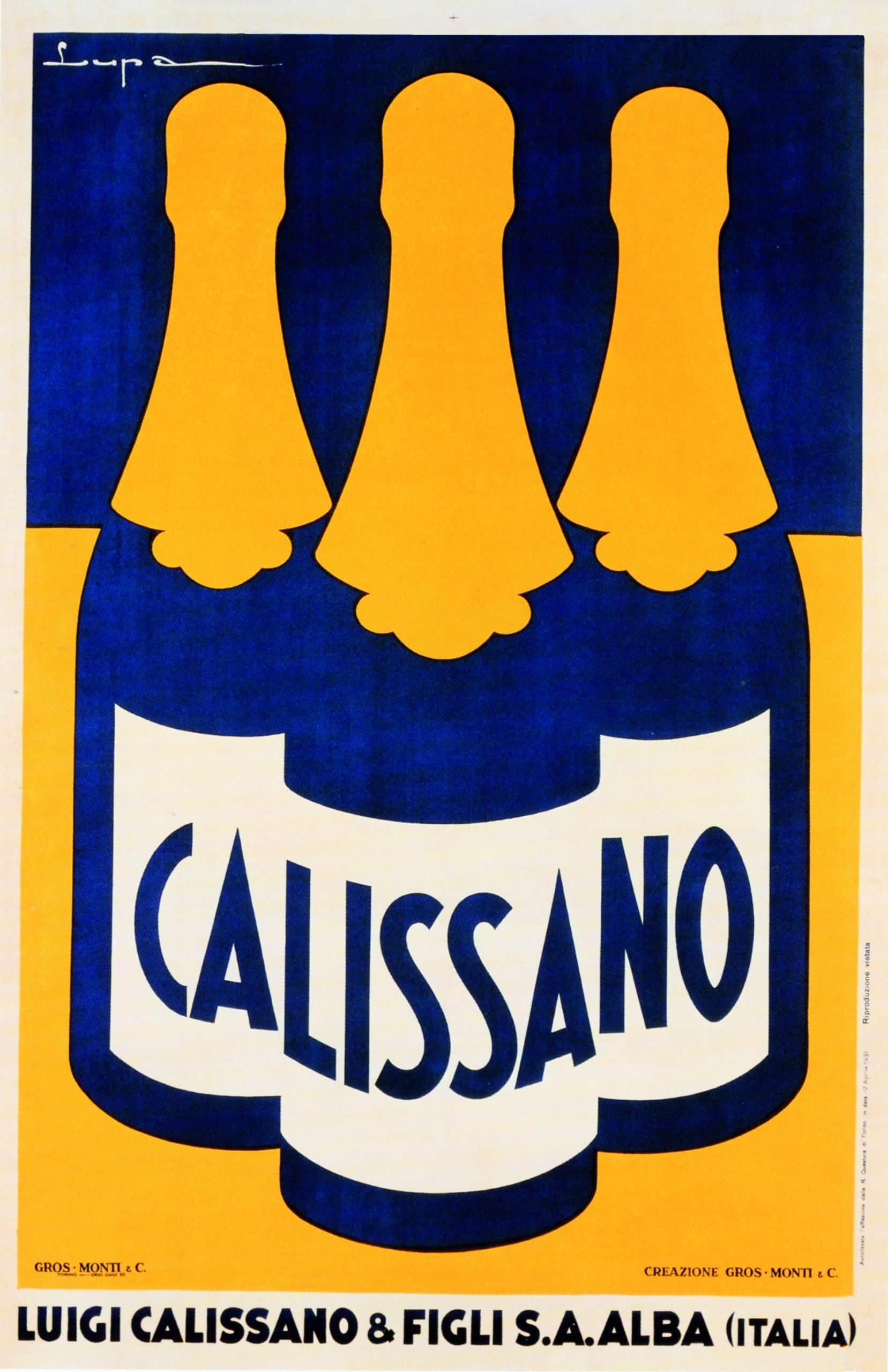
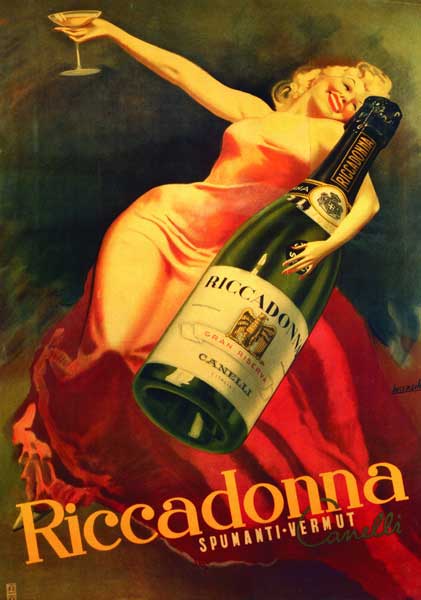
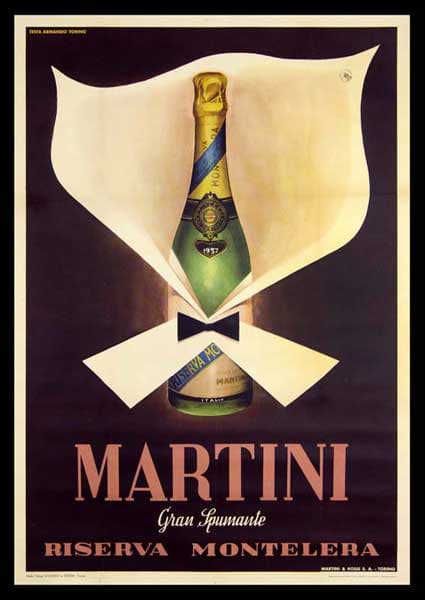
In the first decades of the twentieth century, the image of these wines acquires increasing popularity and prestige. They appear on the menus of the Royal Court of Savoy. The spumante houses invest in promoting their products and consolidating their brand images, issuing iconic advertising posters.
There was strong growth among the brands, which were differentiated according to their production philosophy and target markets
But the sixties brought in a new social, political, regulatory and economic situation.
In fact, 1963 marks an important milestone, the institution of the “Controlled Designation of Origin” [DOC] with Law Decree no. 930 of 12 July 1963.
This law created a new class of wine, DOC wines, which were immediately considered superior to generic wines that lacked the “designation”.
This general situation put Piedmont wines that went through a second fermentation in the bottle in an awkward position: was it better to continue marketing their products with simply the winery’s brand and the wording “Metodo Classico”, or was it more desirable to pursue a collective brand, or to obtain a designation of origin? If the latter were chosen, would it be best to have the designation cover all of Piedmont, or to restrict the area and set specific production rules? The emergence and achievement of the Alta Langa designation are the answer to these questions.
After years of study on varietals, terroir and oenological experiments, the Consorzio Alta Langa was founded in 2001, and in 2002 the “Alta Langa” DOC became official.
Finally, in 2011 the important DOCG [controlled and guaranteed designation of origin] designation was attributed to “Alta Langa” wines, which thus reached the pinnacle of the quality pyramid.
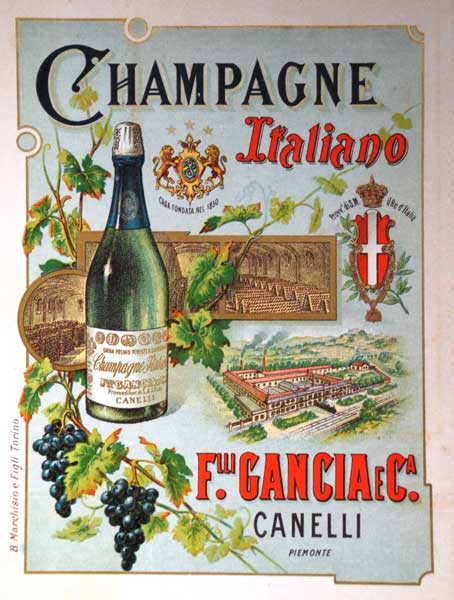
The ’90s, the Spumante Project and the Birth of the Designation
Next page: