

intro
The Terroir and the Method
The Wines: Tasting, Serving and Matching

01Harvest
02base wine
03sparkling making
The Production Method

The Production Method
From an essay byCarlo Casavecchia
From Grapevine to Sparkling Wine
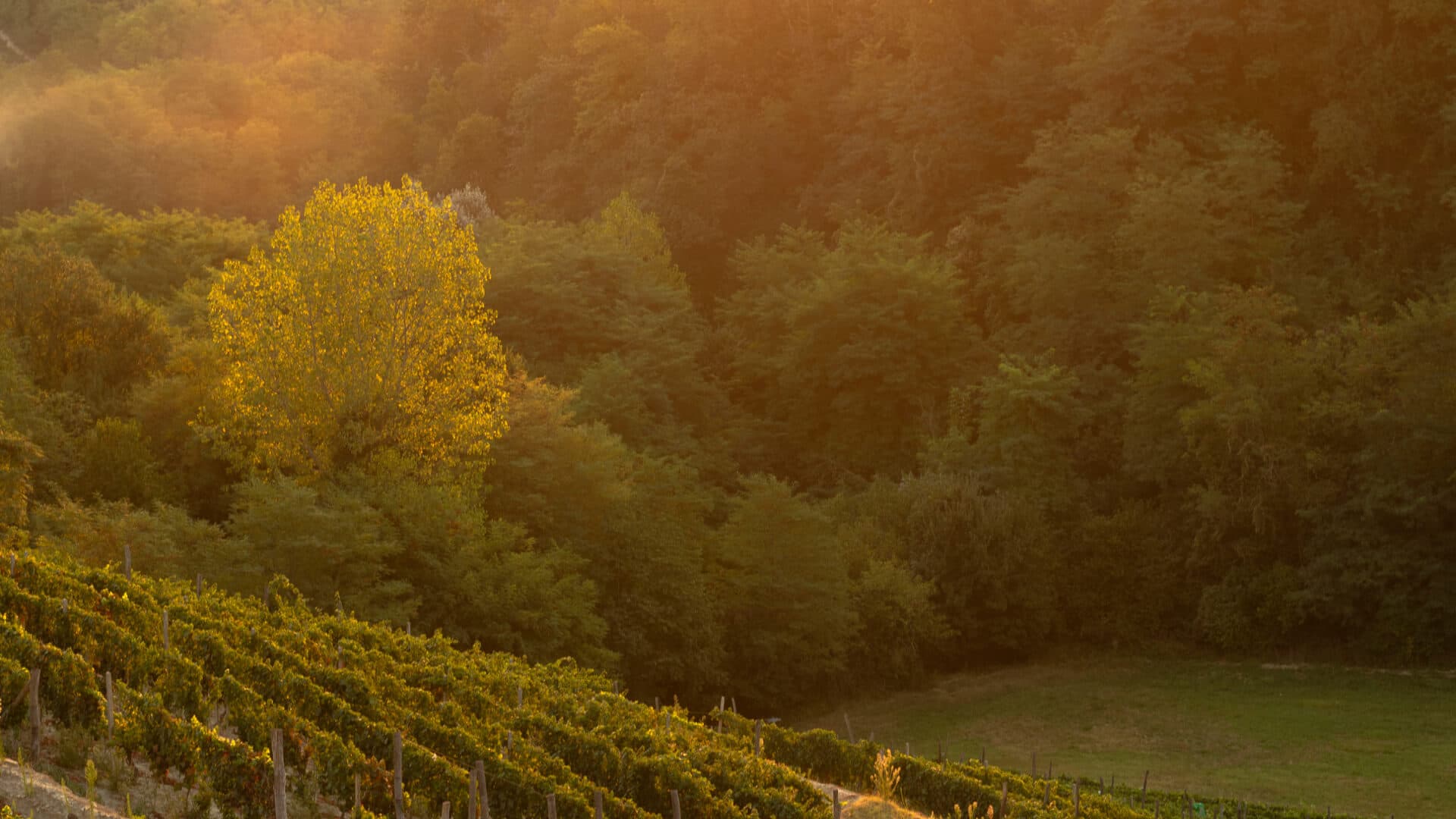
July comes to an end, and with it comes a crucial moment: the run-up to the grape harvest. After veraison, Pinot nero and Chardonnay grapes begin to alter the content of acids, sugars and polyphenols in their pulp and skin as they ripen.
Choosing the right time to harvest is fundamental. If the grapes are harvested while high in acidity and very low in pH, it is possible to make long-lived Alta Langa wines that will develop slowly and age with extreme elegance. The base wines obtained will be quite neutral and with little scent of fermentation, but rich in precursors of tertiary aromatics, which develop during bottle aging.
Grapes high in acidity, with very low pH, can be made into long-lived Alta Langa wines.
If, however, the winemaker desires an easier, more fragrant and pleasant profile, malic acidity must be allowed to diminish slightly, which will result in a base wine characterized by more fruity aromas and Alta Langa wines that develop sooner and offer a floral profile, fresh and more accessible.
Pas dosé, great reserves and rosés, deserve special attention by the growers.
Consumers are offered a selection of pas dosé or brut, reserves, blanc de blancs or blanc de noirs, with a fine, fruity profile or a more complex structure, aged with notes of oak or yeast: all are possible versions of Alta Langa wines.
The Grape Harvest
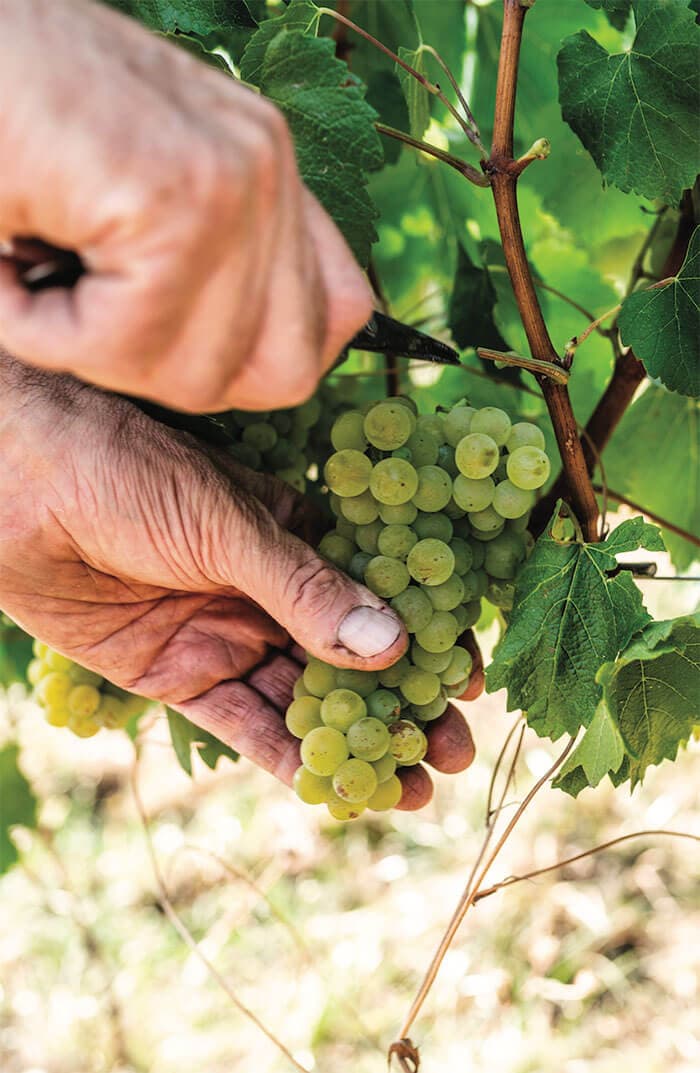
The climax of a year of work. Hundreds of people are in the vineyards, picking the grapes as quickly as possible and carefully avoiding any missteps!
Everyone has a role to play perfectly: pickers, bin handlers, tractor drivers, loaders, forklift truck operators, cellarmen, press operators… If all these tasks are performed well, the wine harvest flows smoothly and rapidly, within the prescribed time interval.
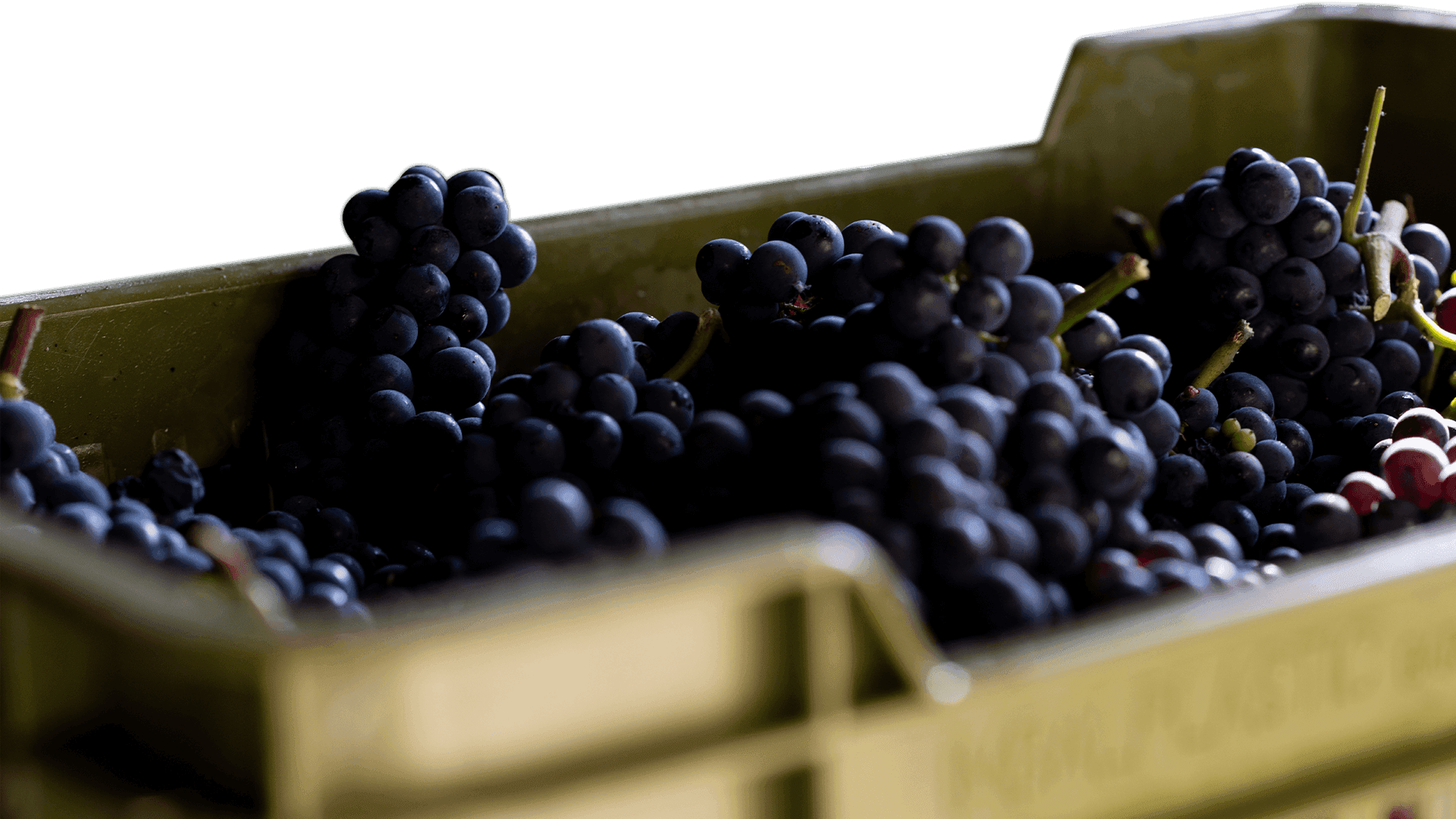
The grapes must be picked entirely by hand. The bunches must arrive at the wine cellars whole, in baskets or hampers, known as bins, not overloaded so as to avoid the beginnings of fermentation. The press will separate the must from the skins and pips, according to the pressure exerted by the operator.
The base wine
Pressing
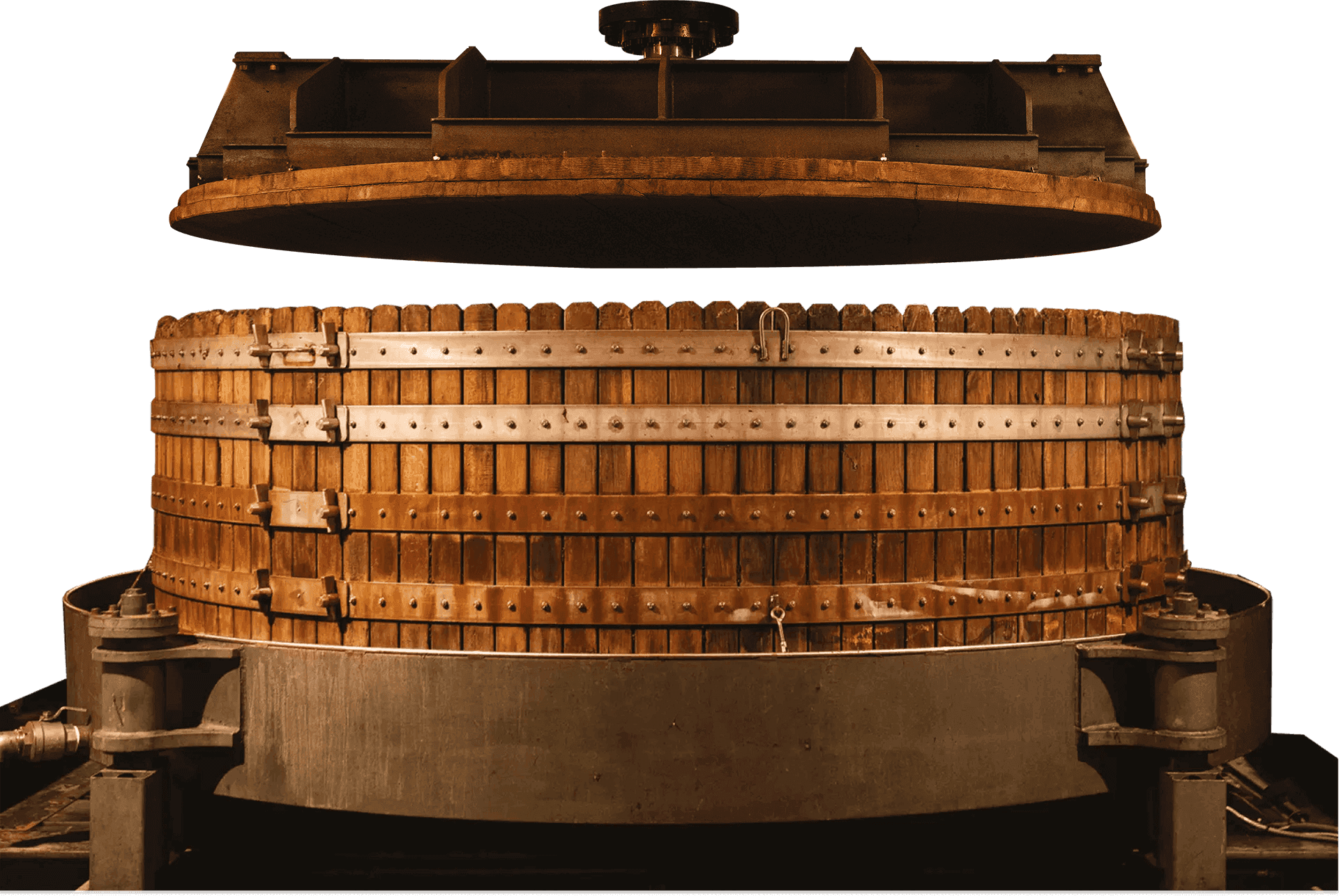
As soon as they are picked, the grapes are taken to the pressing center. Pressing is done separately for each varietal and each vineyard, in order to preserve their particular characteristics.
The whole bunches are delicately placed in the presses and squeezed are carefully as possible. The drained must, or pièce, originating from split or not perfectly healthy grapes, is separated out, because it is rich in oxidized material, mold, dust, residue of pesticides plant pharmaceuticals and grape skin bloom. Normally it comes to about 2% to 5% of total volume, with lower percentages indicating the grapes have been handled with care.
The initial portion, from the first pressing, is called the heart (cuvée) and is the richest in acids, aromatics and sugar, with a decidedly low pH. Depending on the varietal, red or white, produced white or rosé, this accounts for 45% to 60% of the grape volume.
After the heart has been extracted, the press is rotated to break up the mass of grapes, which is then squeezed again, always increasing the pressure gradually, to obtain another type of must, called first and second pressing (1re / 2ème taille), which contain more polyphenols, extractive substances and minerals, and less sugar and acids, with a higher pH. Together they account for 5% to 18% of the grapes pressed.
The final pressing, known as the torchiato (or rebêche), yields a must that is not suitable for producing Alta Langa wines.
Musts prepared for fermentation
The musts obtained are clarified by decanting and cooling to 15°-16°C, in order to prevent fermentation from starting. Those from the second pressing must also be clarified, so as to remove the unwanted compounds transferred during pressing.
During the settling stage, the solid particles slowly fall to the bottom of the vats, and after about 12-15 hours, all the musts can be decanted and the limpid part, in fermentation, removed, while continuing to keep the free-run juice separate from the rest of the must.
Vinification
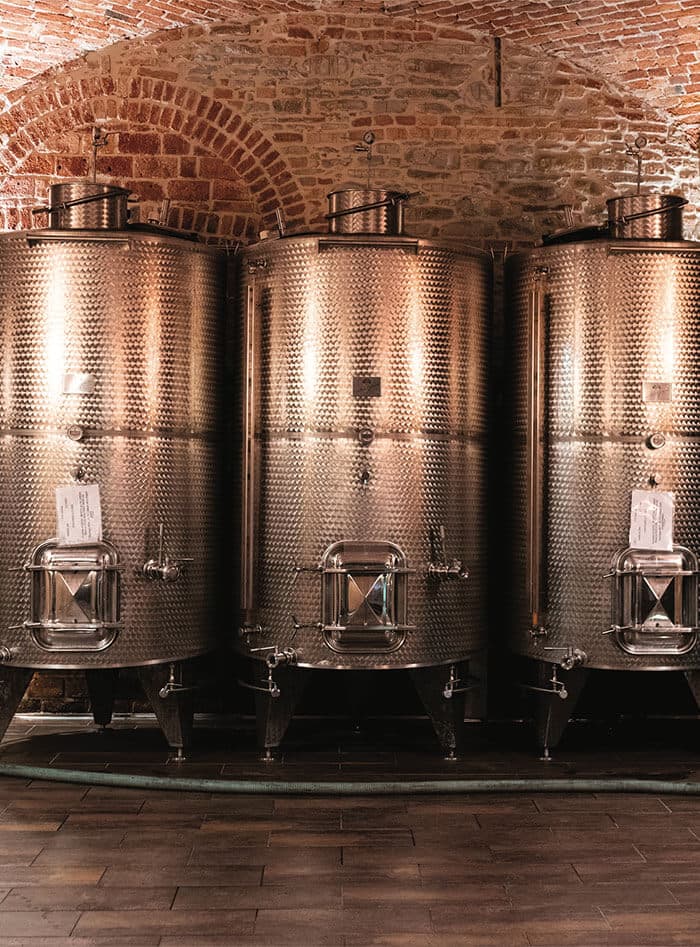
Steel fermentation vats
With the addition of yeast the wine enters the fermentation stage, in which all the sugar in the grapes is converted into alcohol and carbon dioxide.
In just a few days of action, the yeast brings about numerous transformations, and from the very first stages of fermentation, aromatic compounds appear that will shape the sensory profile and style of every Alta Langa base wine. Each vineyard and each varietal contribute their special characteristics to the wine, which is why it makes sense to keep the grape lots separate.
To maintain unaltered the aromatic compounds typical of the varietals (Pinot nero and Chardonnay), as well as all the molecules considered precursors of the tertiary aromas of the norisoprenoids and benzenoids, which are key to the development of the great Alta Langa wines in the bottle, the first fermentation must be clean and rapid.
- Norisoprenoids: molecules responsible for the aromas of ripe fruit and jam, violets and figs.
- Benzenoids: molecules responsible for the aromas of dried fruit, spices, vanilla and incense.
Alcoholic fermentation can occur in various containers, but the most commonly used are stainless steel vats, whose temperature can be adjusted easily.
If the winery chooses to use wooden barrels, to influence the aromatic profile and impart the wine more structure and complexity, smaller, pre-used barrels may be used, to take advantage of the slow transfer of oxygen and the limited release of ellagic tannins.
After alcoholic fermentation, it is important to keep the wine on the fine lees for more than a month. For the first few days, it should be frequently pumped over to keep the yeast and solid particles in suspension, in order to favor the release of polysaccharides and mannoproteins from the yeast cells, making the wine richer and more stable and influencing the beading.
Another key decision when making a base wine is whether or not to carry out malolactic fermentation, which transforms malic acid into lactic acid thanks to bacterial action. This is done mainly to reduce a wine’s acidity, and can be applied wholly or in part.
The Art of Assemblage
Towards the end of the winter following the grape harvest, the base wines can finally be evaluated and assembled to create the intended profile.
Assemblage (blending) is an art through which the oenologist seeks to combine complementarity, balance and character. One or more varietals, one or more vineyards, different aging or even small quantities of wine from different years may be used and meticulously evaluated through analyses and tastings in order to compose the final product or cuvée.
The best classic method wines, including the Alta Langas, are the product of complex assemblages, including base wines with different characteristics.
The resulting cuvée must now be readied for the tirage (bottling) stage. The wine, stabilized, clarified and refrigerated, is filtered to prepare it for bottle fermentation.
Spumante
Tirage
To set off another fermentation in the bottle, sugar, yeast, nutrients and a small quantity of fining agents are added to the wine. The yeast consumes the sugar, producing alcohol and bubbles while adding new sensory characteristics to Alta Langa wine.
Each 4 grams of sucrose correspond to an increase in alcohol content by about 0.25% by volume and a raise in pressure of 1 bar from the carbon dioxide released. The final decision is made by an experienced winemaker, but the variations are minimal, ranging from a minimum of 20 grams (about 5 bar), for spumante with less fizz, to the standard 24 grams. This amount increases the base wine’s alcohol content by 1.5% by vol. and raises the pressure to more than 6 bar.
The choice of the crown cap also helps to best express the characteristics of Alta Langa wines. The choice can range from caps that permit a very slow micro-oxygenation at different intensities to caps that seal off the bottle completely, preventing any oxygen from passing through.
The bidule is a kind of plug made of virgin polyethylene, which when placed in the bottle perfectly adheres to the interior surface of the neck and, during fermentation, helps to contain both liquid and gas in combination with the crown cap, as well as facilitating disgorging by collecting the spent yeast.
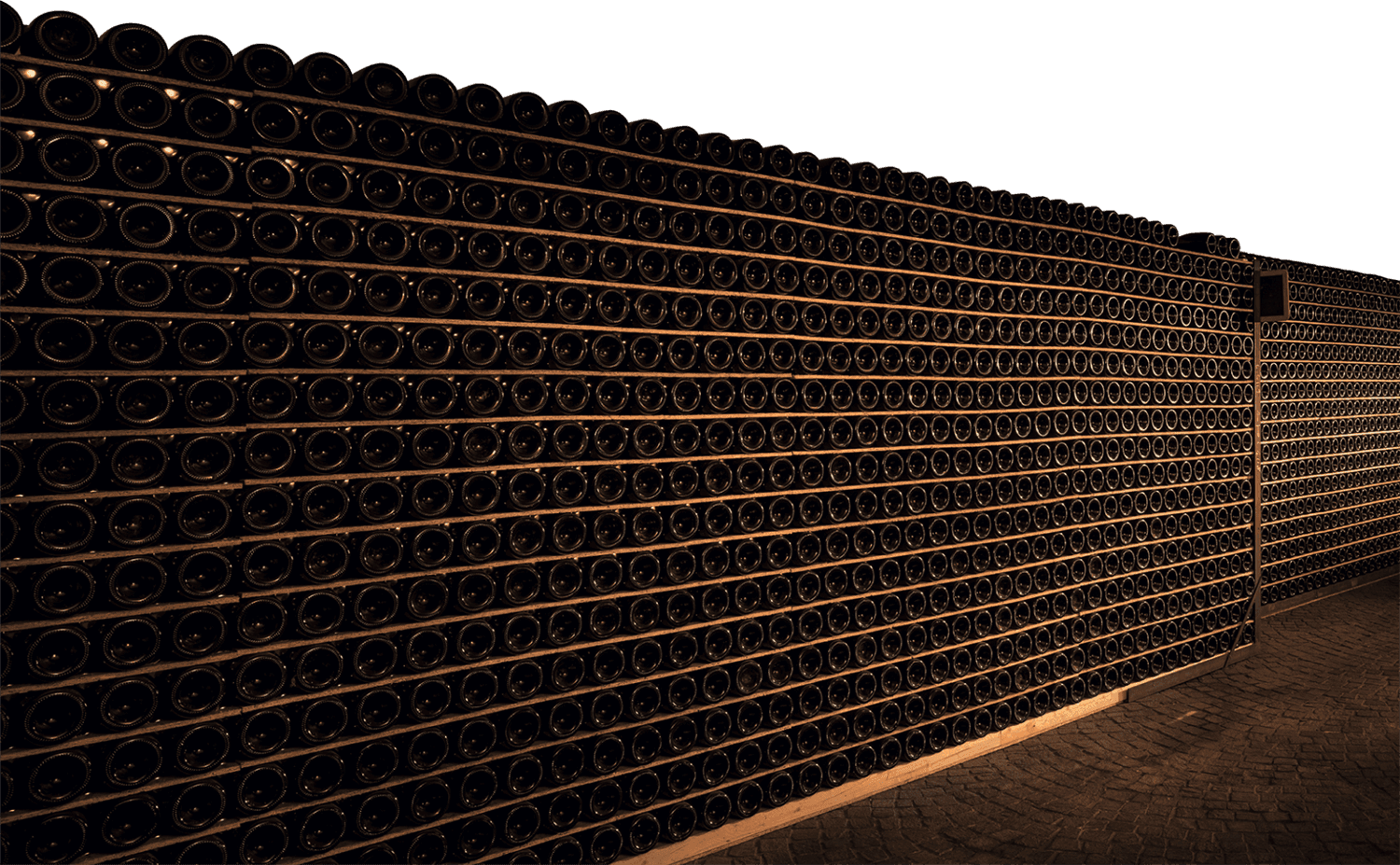
Secondary Fermentation
All the bottles, filled and capped with crown caps and bidules, are stacked horizontally in the wine cellars, where, for an initial period, fermentation will develop until the added sugar is completely converted.
The secondary fermentation must develop slowly and steadily over about forty days, in dark, cool cellars, so as to ensure the perfect incorporation of the carbon dioxide into the wine and thus result in that creamy effervescence typical of the top tier Metodo Classico spumantes.
And now it is legitimate to speak of spumante, or sparkling wine, whose name describes the outcome of secondary fermentation
But it is just this fermentation that is the most sensitive step in the entire process: all the transformations that occur in the bottles of Alta Langa after the tirage will be reflected in the glass. In fact, Alta Langa wine is sold in the same bottle in which it was originally placed and then aged in the cellars.
After the first fermentation period, the yeast deposits on the belly of the bottle, and there begins the extended stage of maturation and exchange, with the wine’s aromatics developing over time and the release of special substances from the yeast in lysis. Aging on the spent yeast combines these two reactions; the yeast lysis on one hand and the gradual development of the Alta Langa wine on the other. This combined action continues throughout the months of aging and shapes the style of Alta Langa wine in the form of the so-called tertiary aromas.
With the right aging and maturation, complexity, finesse, pleasantness, balance, creaminess and a rich bead all emerge. To be called Alta Langa, a spumante must rest at least 30 months on the lees.
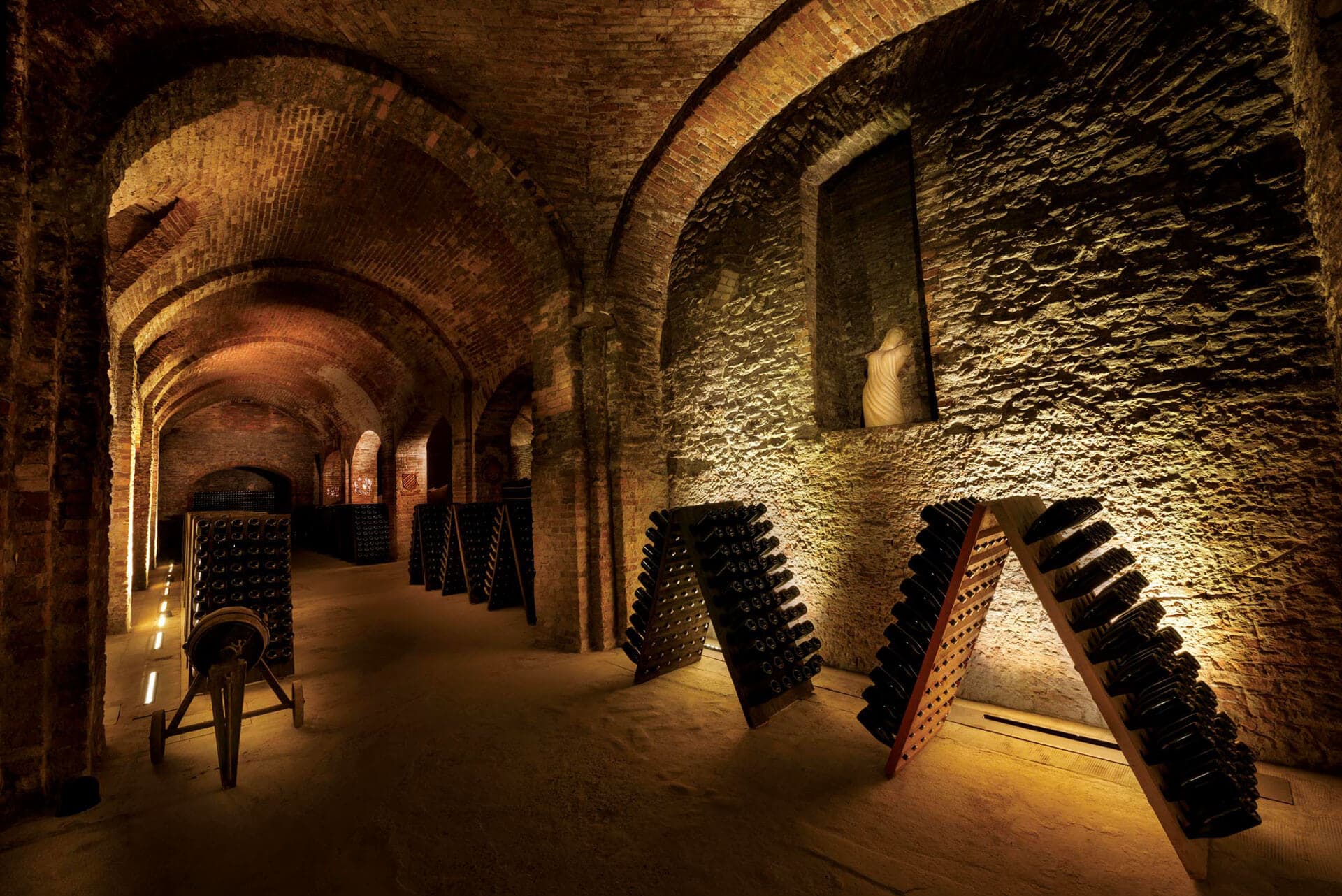
The wine cellar must be dark and the temperature must be held constantly at 12-15°C.
Removing the Yeast
When the aging is complete and the Alta Langa is ready to be tasted, the bottles must be prepared for disgorgement. The riddling, or remuage, shifts all the residue deposited on the belly to the neck of the bottle
This step consists of very gradually rotating every bottle – a quarter turn at a time – while keeping the neck tilted slightly downward, thus moving gradually from a horizontal position to a vertical one, with the neck down. The residue thus slides down into the neck of the bottle, eliminating any turbidity or cloudiness from the wine.
The operation can be performed by hand, with the bottles placed in special wooden racks known as pupitres, or automatically, using a machine called a gyropalette.
At the end of this process, the deposit will have entirely accumulated in the neck of the bottle, which is now ready for the next step: disgorgement.
Back in the day, disgorgement was done on the fly – à la volée – which required highly skilled experts, but now everything is done by freezing – à la glace. The neck of the bottle is dipped in a solution at ca. -25°C, which causes a little cylinder of ice to form inside the neck, trapping within it all the sediment.
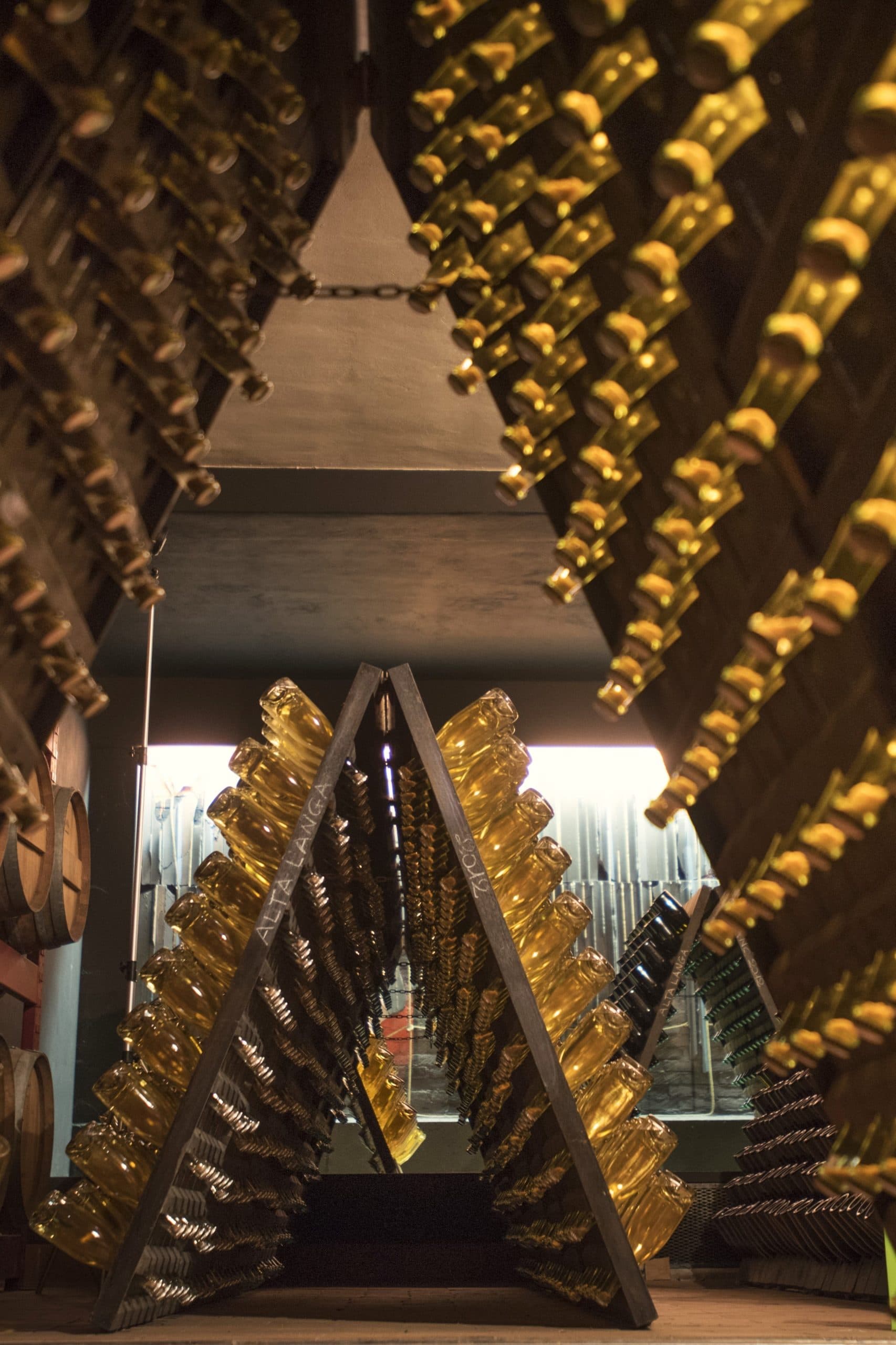
pupitres
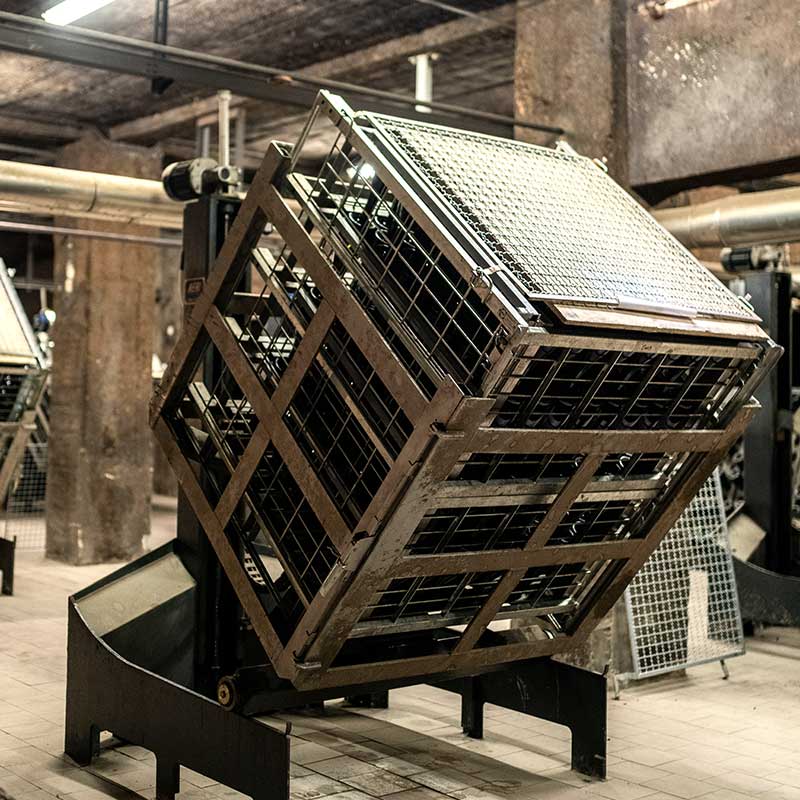
automatic riddling
The last critical steps
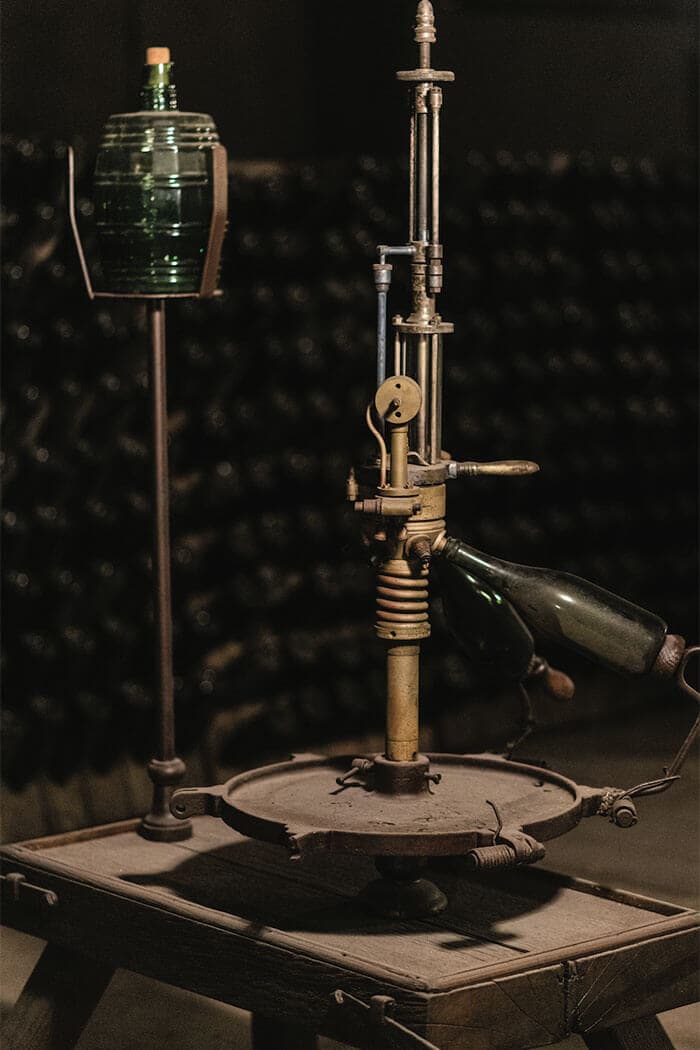
An ancient machine for adding liqueur
This is a critical step: when the bottle is disgorged, a small amount of wine comes out of it. Topping up with liqueur will make up for this loss and also allow the spumante makers to add a few small touches of their own.
The dosage syrup, or liqueur d’expédition, is a liquid mix containing a variable amount of sugar, depending on the quantity required for the various types of spumante. It is added, using special dosage machines, to increase the concentration of sugar and other compounds required for aging well.
In order to find the perfect liqueur recipe for each type of Alta Langa spumante, tests and tastings are carried out ahead of time to determine the right balance and achieve the style sought by the producer.
Special attention is devoted to choosing the right sugar, since it can vary widely in terms of both taste and oxidation/reduction. For this reason, the liqueur is composed a few days prior to its addition to the spumante and microfiltered before its use.
Dosage plays multiple roles:
- Corrective: because at disgorgement, there may be some discrepancies in terms of taste, oxidation/reduction or other analytics.
- Characterization of the wine: a liqueur made with different ingredients can make a significant difference in the final result, despite starting with the same base wine.
- Preparation for market: with the liqueur it is possible to add free sulfur dioxide, an important aspect for product stabilization in anticipation of sale.
The various ingredients of the liqueur must be mixed with the chosen wine, which can be from the same cuvée, or one of the other still wines available in the cellars, often called reserve wines, which decisively express the personality of Alta Langa, especially if fermented or aged in wooden barrels.
Immediately after the addition of the liqueur, the bottle is capped with a cork that is held in place by a wirecage. The bottle is then inspected closely to verify its clarity and then again put back in the cellars to age for another few months, giving the liqueur time to fully integrate with the wine. The bottles are then labeled and, at last, released for sale.
Next page:
The back story