

intro
The Terroir and the Method
The Wines: Tasting, Serving and Matching

01Visione
02Viticulture
03Vitigni
Viticulture in Alta Langa
Viticulture in Alta Langa
From an essay byMaurizio Gily
A New Idea of Wine
The recent history of viticulture in the Upper Langhe (Alta Langa) is the story of a return. The return of grapevines to a land of high hills and mountains, much of it harsh, dotted with woods and meadows.
A land that had been partially colonized by vineyards, especially between the end of the nineteenth and the first years of the twentieth centuries, only to be gradually abandoned after WWII, concurrently with migrations from the countryside to the valleys, the cities and their factories. In an agricultural system based mostly on what the woods yielded – chestnuts and hazelnuts – and on raising cattle, grapevines were relegated in large part to steep terraces with arid soil, unsuitable for foraging herds, and the wine produced was primarily meant for family consumption, with quality a secondary concern.
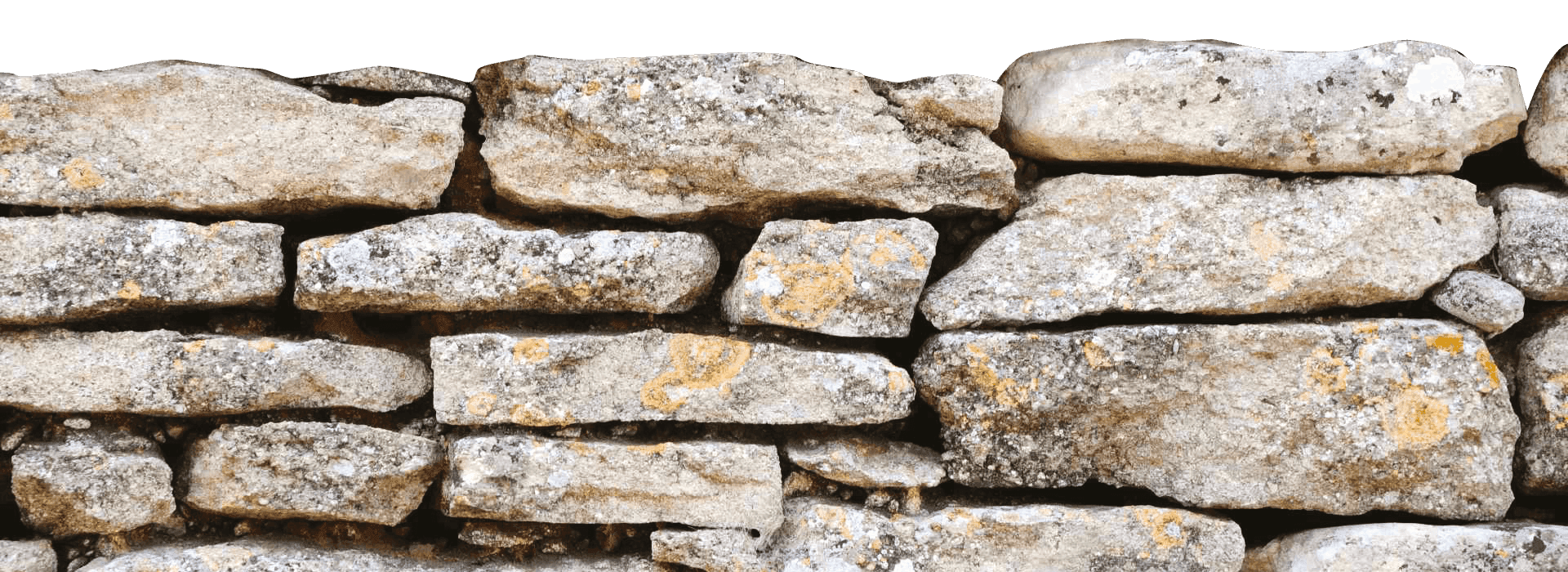
Today, especially in the upper Bormida valley, you can still see the drywalls made of “Pietra di Langa” that support the terraced vineyards.
The idea of making an Alta Langa spumante arose in the nineties, and despite the proverbial traditionalism of the Piedmontese, it closely resembled certain agricultural planning projects typical of the New World.
It consists of studying the theoretical proclivity of a certain zone to produce something for which there is no established canonical tradition in that area. The factors examined include the climate, the orography and the characteristics of the soils. A pilot project is started to confirm the theoretical assumptions in practice, making sure that the idea works. The details are then fine-tuned and the new systems are applied.
A New Viticulture
The area chosen extends beyond the boundaries of the Upper Langhe proper to the east and includes all the southern Piedmont foothills of the Apennines, across three provinces: Alessandria, Asti and Cuneo. The area is rather large, with hills of medium to high elevation and mostly steep slopes that make vineyard tending arduous. The slope drains away the excess rainfall, while the constant winds create a fairly dry microclimate around the leaves and fruit. The nightly mountain breezes from the Ligurian Apennines bring fresh, dry air down to the plains, protecting the bunches from mold, although the area receives more rainfall than the lower Langhe and Monferrato.
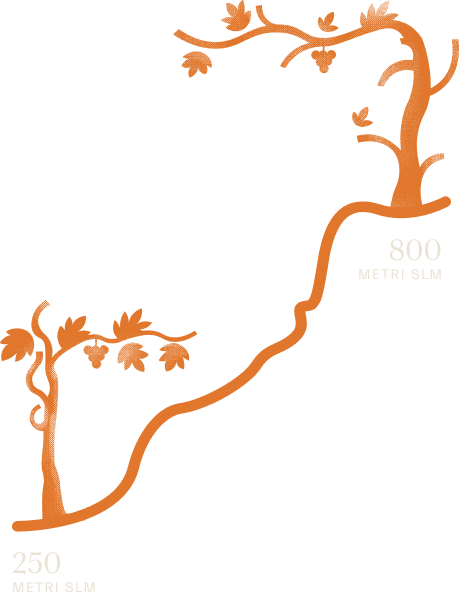
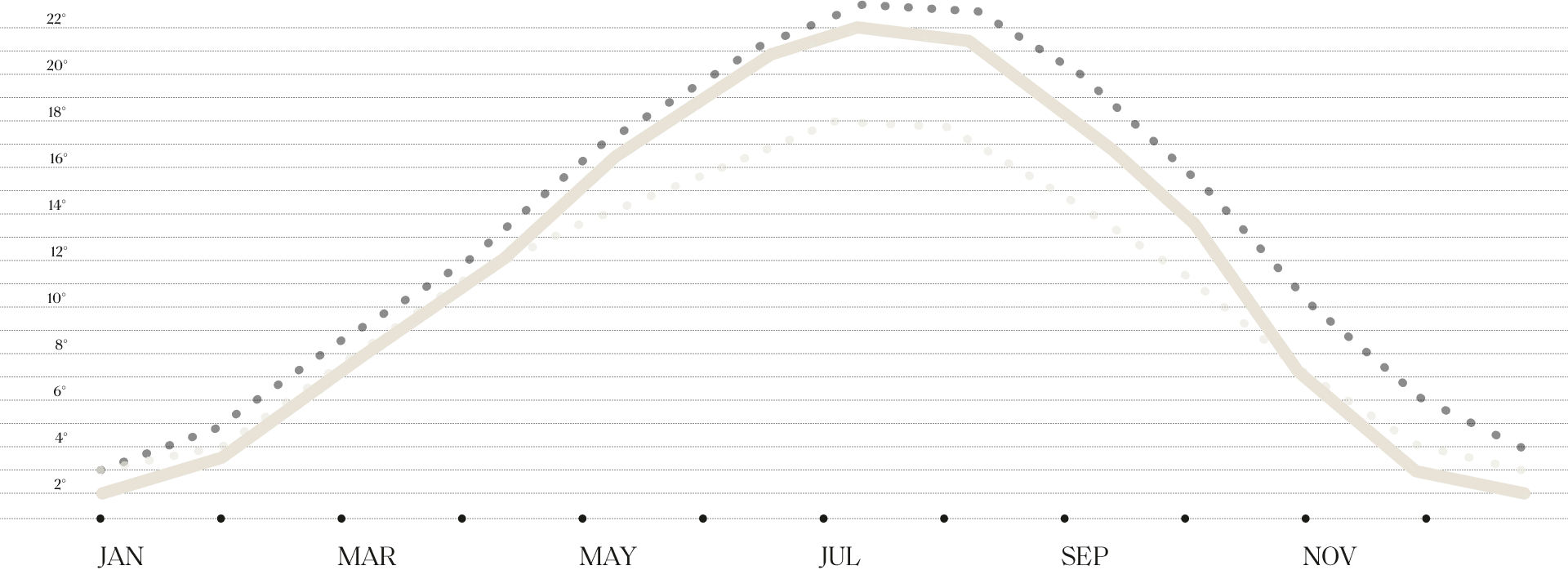
Maximum yield, according to the Alta Langa DOCG rulebook, is 65% of the weight of the grapes. The same rules dictate that the grapes must be picked strictly by hand. The Alta Langa area is fairly diverse, also from a climate perspective. If one takes elevations around 400-450 m asl as a basis for comparison, then the average temperatures lie about halfway between Reims and Alba (see chart below).
Although there is annual variation, the generally temperate climate ensures good maturation of the grapes every year, and “bad” years are quite rare, except for vineyards being occasionally pelted by hailstorms. Thanks also to this consistent level of quality, the Alta Langa production rulebook requires all wines to be vintage, meaning that the year the grapes were harvested is shown on the label.
Between Alba and ReimsAverage temperatures
Key Decisions
The field work for the Alta Langa project was initiated in 1990, under the expert guidance of Lorenzo Corino, of the then Experimental Institute for Viticulture (today a division of CREA, the Research Center for Viticulture and Enology). The decision to plant Pinot nero and Chardonnay needed to be more detailed: the most suitable varieties of these two had to be selected for the various subareas, and within the varieties, the best clones and best rootstocks for the various contexts, with the intention of producing a spumante Metodo Classico.
Geologically speaking, the range of hills comprising the Alta Langa DOCG area lies at the southern limit of the so-called Tertiary Piedmont Basin, which is composed of sedimentary calcareous marls of marine origin. Its metamorphic rocks border on the actual Apennine range.
The various types of soil are essentially clay-loam and calcareous, with varying proportions of silt and sand. The soils with the most clay, of the darkest color and in the coolest positions, with moderate exposure to sunlight, are those considered most suited to Pinot nero, a more demanding and more precocious varietal that ripens earlier, while Chardonnay is a more forgiving, adaptable vine, in terms of both climate and soil. Which, however, doesn’t mean that it produces identical base wines across different contexts: they will be fruity, sun-kissed and more concentrated at lower altitudes and greener and more mineral in the cooler climate of the high hills.
Often, the best result is achieved by a cuvée of grapes from different vineyards, taking the finest bunches from each lot. The “rulebook” sets a minimum density of 4,000 vines per hectare and calls for espalier training and Guyot or spur pruning. The height of the lowest horizontal wire – the one that bears the greatest weight of fruit – is also set, at between 40 and 80 centimeters.
- 4000 VINES/HA
- min. density
- ESPALIER
- training method
- GUYOT / SPUR CORDON
- pruning
- 40 / 80 CM
- height of fruiting wire
Greener Vineyards
There is no rush to early ripening here: in fact, the trick is to delay it until September, when the sun is lower in the sky and the nights have turned cool. The point is not the sugar content, and therefore the alcohol content, but preserving the freshness of grapes that are still crisp.
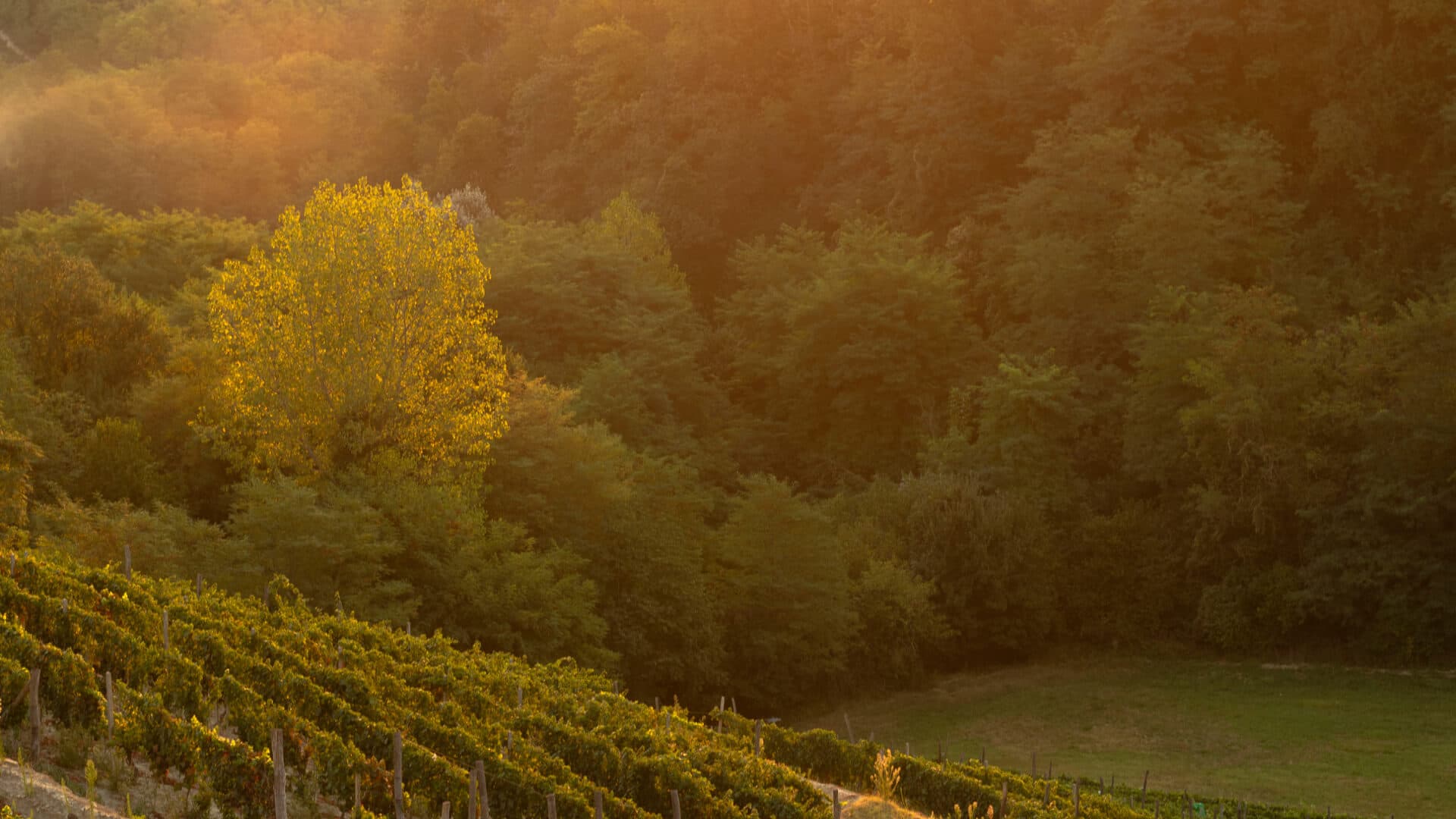
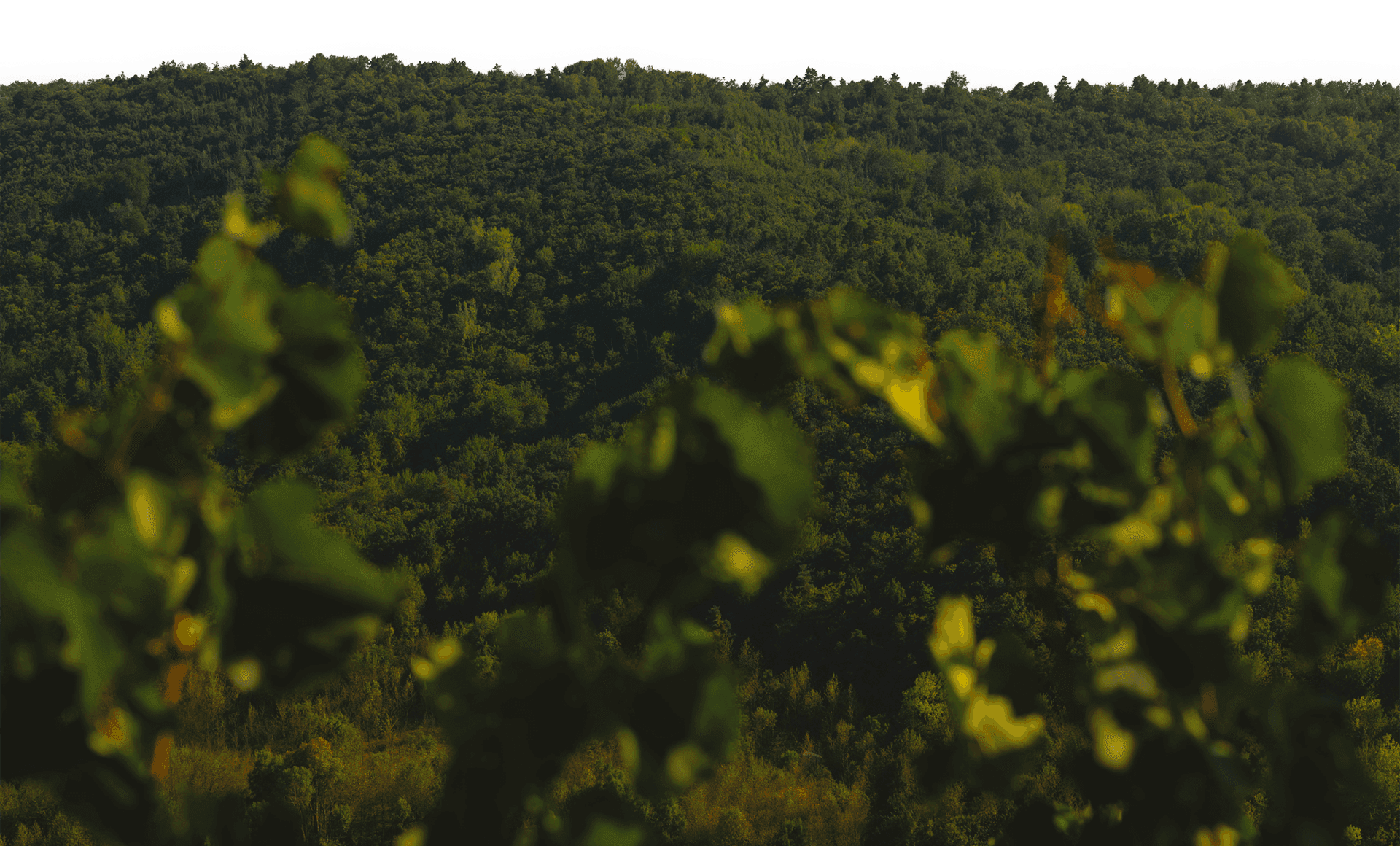
Alta Langa is green all over: the green of the meadows and woods that border on the vineyards; the leaves, still green at harvest time; the green of the grass that grows between the rows of vines; the green clusters of Chardonnay in the shadiest corners.
The sunlight that the vines stretch out to catch, extending their shoots and opening their canopy in all directions, cannot be allowed to bake the bunches. Thinning out the bunches is not standard practice; the right balance is reached with pruning and by applying various other techniques, from composting to soil and canopy management.
Alta Langa is green all over: the green of the meadows, woods, leaves, grass and Chardonnay bunches in the shadiest recesses.
The Vineyards of Alta Langa DOCG
Pinot Nero and Chardonnay: the two varietals that combine to produce the world’s most celebrated sparkling wines are from two rather different sides of the same family.
Chardonnay is an adaptable varietal that yields very different wines, depending on the climate and winemaking goals.
Pinot nero is not very adaptable, and is vulnerable to hot spells in summer, drought and intense sunlight.
Pinot Nero
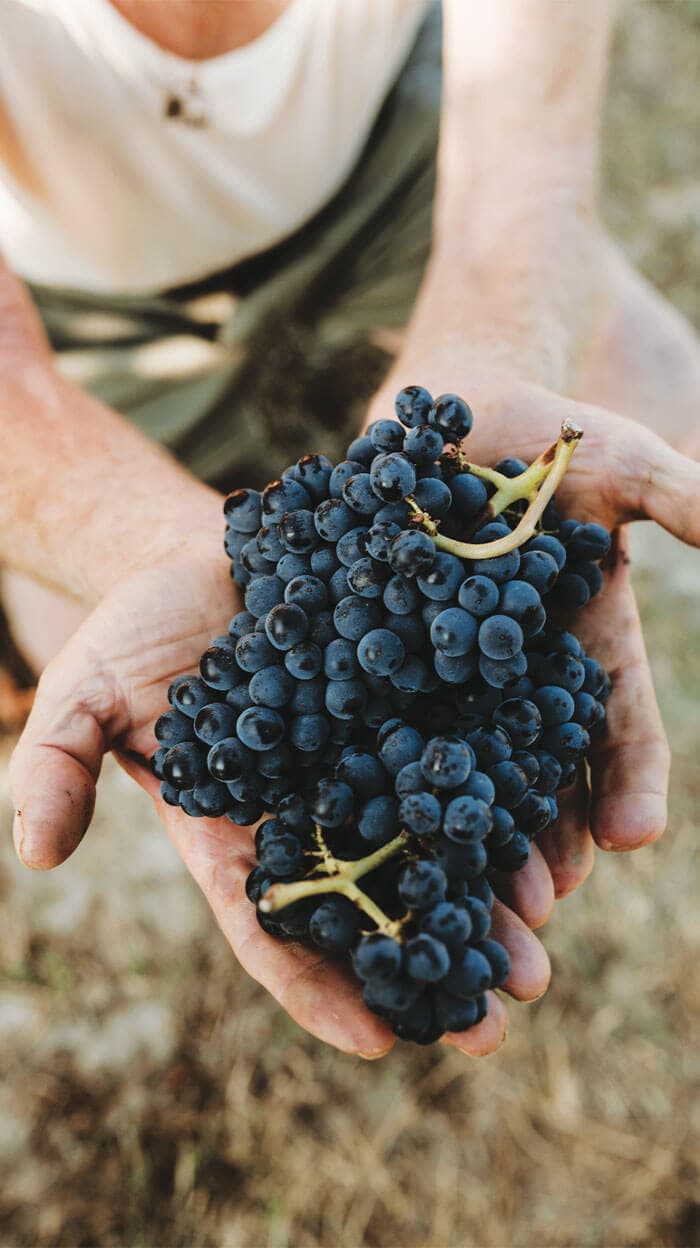
One of the red varietals with the noblest pedigree, Pinot nero is one of the “internationals”: originally French, but now grown all over the world. Pinot nero is known to be the ancestor of other varietals, including Chardonnay; this appears to confirm its ancient origin and widespread prevalence.
From Burgundy and Champagne, Pinot nero (or Pinot Noir) has been circulated to various countries around the world, particularly in cool-temperate regions. In Italy, it is found mainly in Oltrepò Pavese, South Tyrol and eastern Veneto. It is also grown in Valle d’Aosta and other Alpine valleys, as well as in Tuscany and in many other places along the Apennine ridge. In recent years, it has made a comeback to the Alta Langa area, whilst it is rarely found in the rest of Piedmont, despite having been cultivated there since the late 18th century.
It is a difficult varietal, calling for particular expertise and care, from the initial planting plan to all the tending techniques. In soils that are either too fertile or over-fertilized, and where the vines are very vigorous, it may shed its flowers. It is quite sensitive to cryptogams, especially powdery mildew. Early budbreak brings with it a risk of exposure to late frosts. Even the age of the vines plays an important role. Pinot nero vines improve their fruit-to-leaf ratio with the passing of time, and, consequently, the consistent quality of the grapes too. Best practices in the vineyard can, however, shorten this time, and excellent results can also be obtained from younger vines, particularly if their grapes are meant for the production of base wine for spumante.
A fundamental criticality in the cultivation of Pinot nero is the decision of when to begin harvesting, as there is a very brief window within which the fruit’s components achieve the optimal balance. The grapes must be picked at the right time, and quickly, while being careful not to damage the bunches.
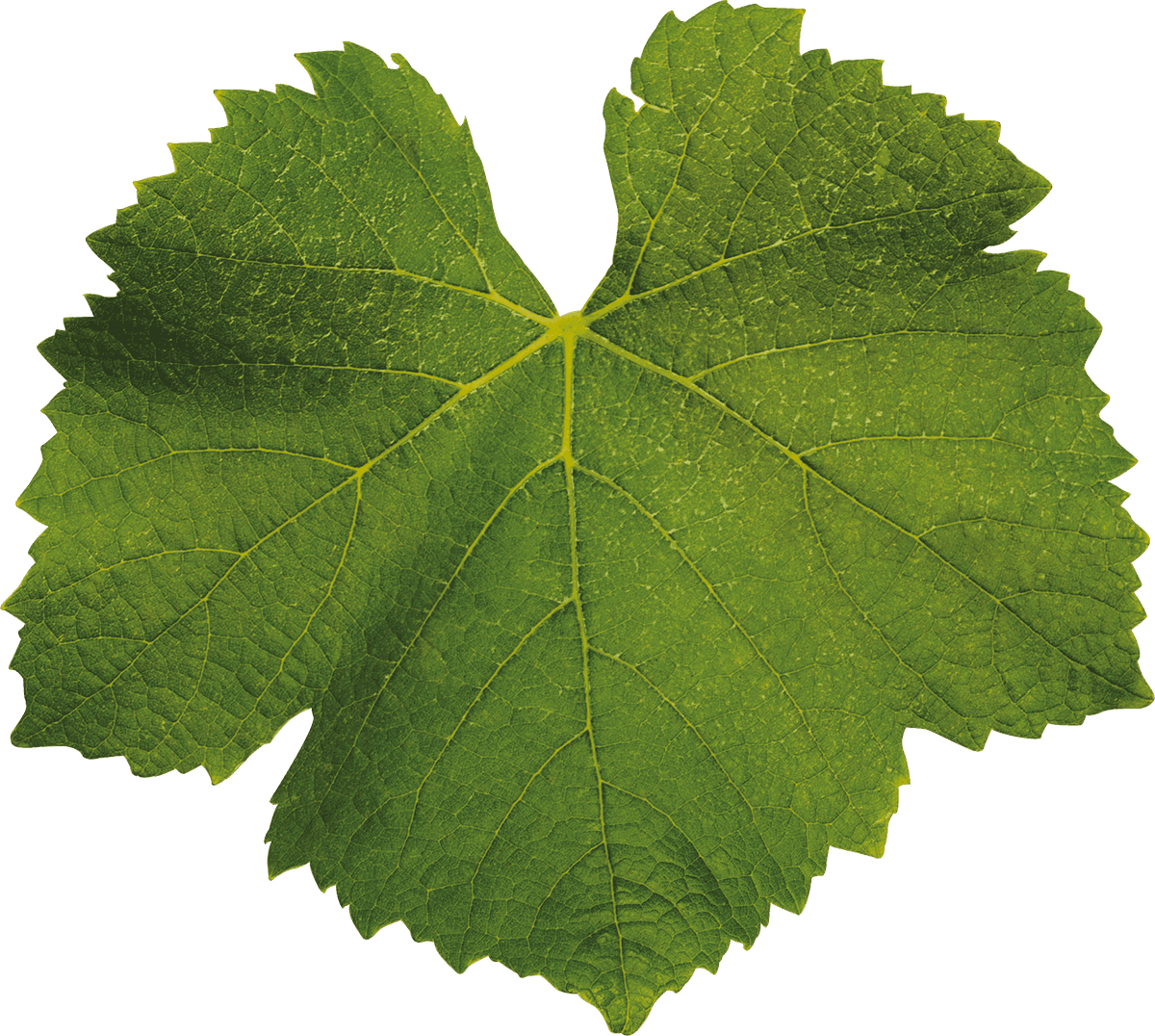
Pinot noir leaf
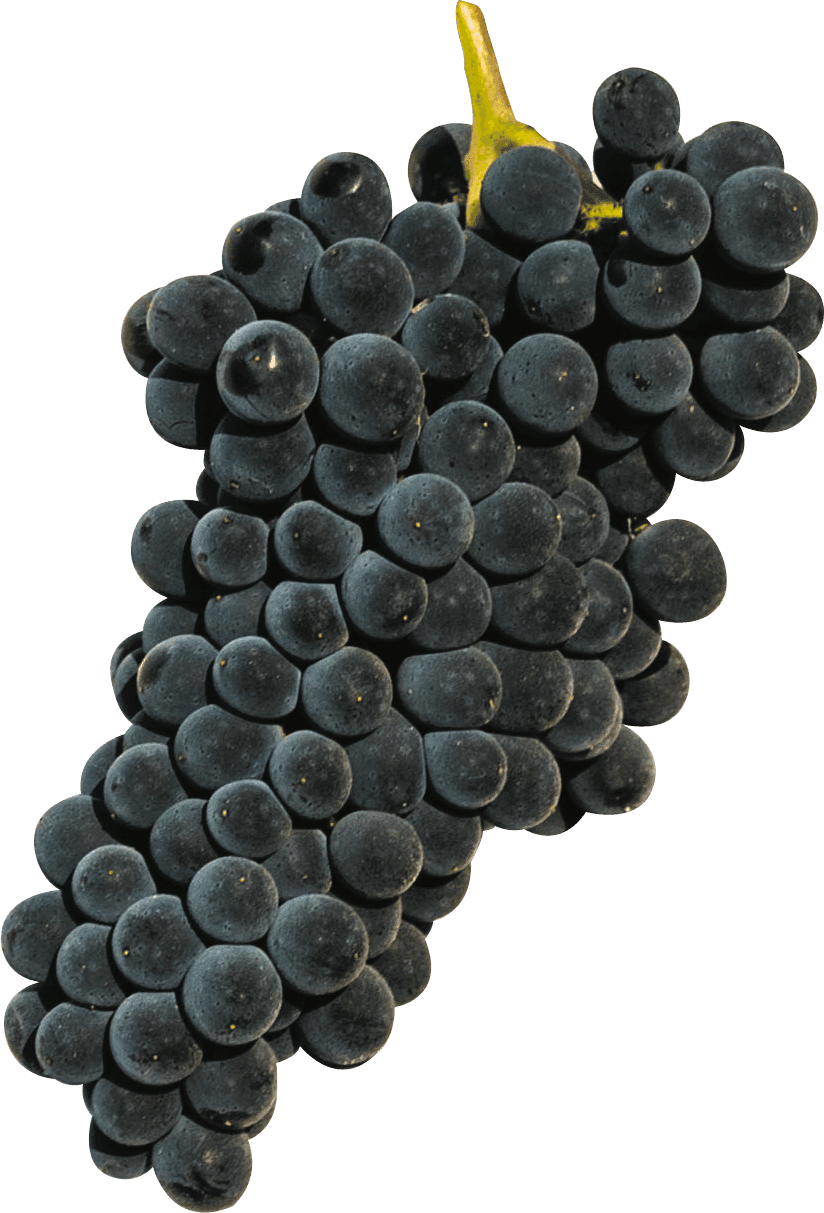
Pinot noir cluster
Chardonnay
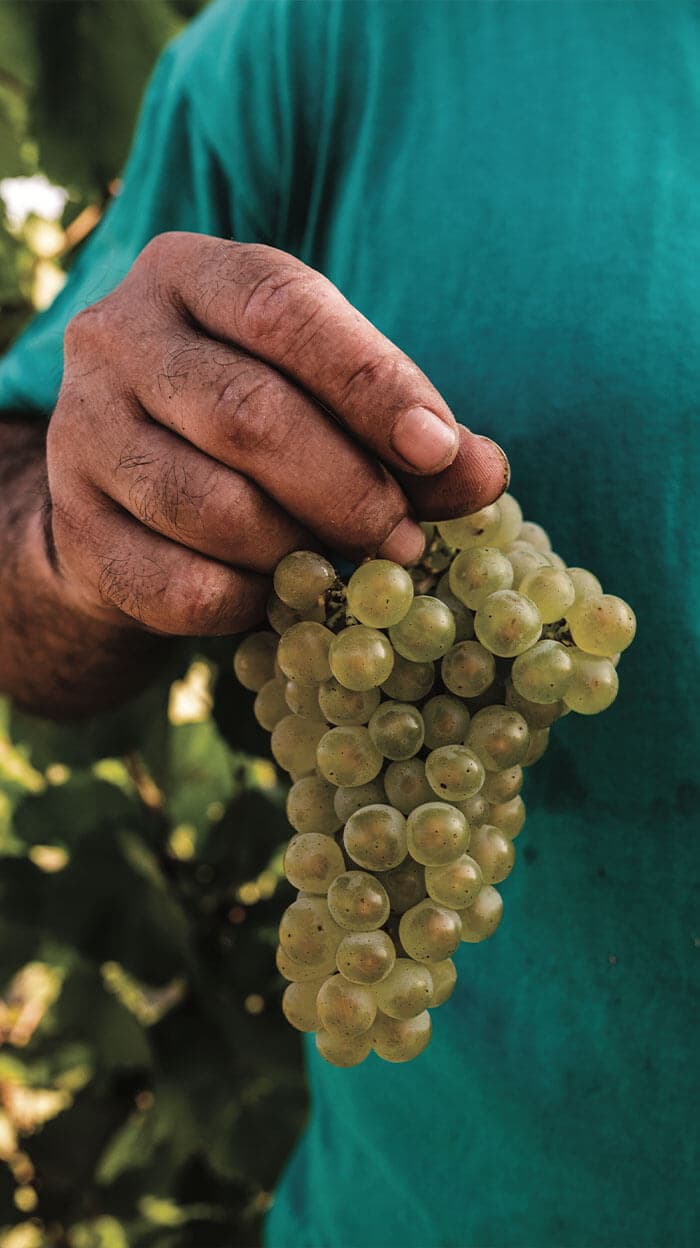
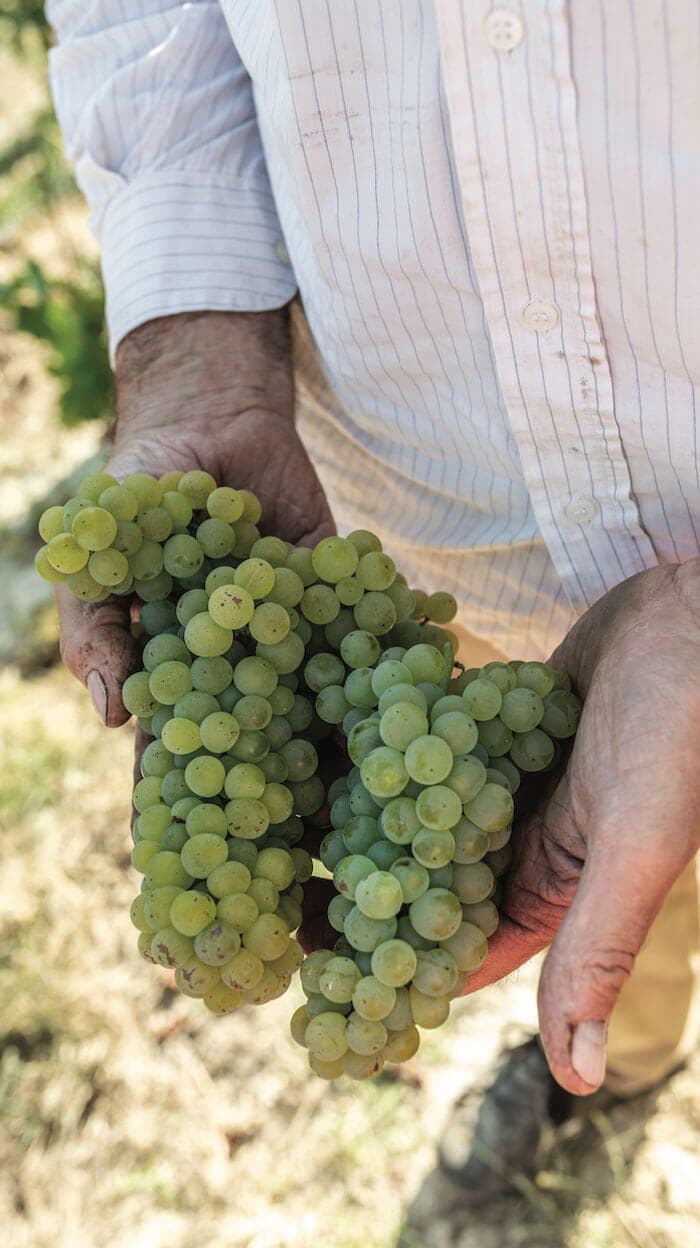
Chardonnay, originally from the North of France, is one of the most widely cultivated varietals worldwide, both to produce still wines – some of them intended for aging – and for making sparkling wines. Chardonnay is cultivated in distinctly different climates, yielding correspondingly different wines.
It seems that the name “Chardonnay” began to be used only in the twentieth century, taken from the village of the same name in southern Burgundy, between Mâcon and Chalon-sur-Saône. But the varietal is indisputably much older, though it went by other names: Beaunois (that is, from Beaune, in Burgundy, first cited in 1538), Morillon blanc, Pinot blanc (which is distinctly different, though there are similarities between the two varietals). Geneticists have established that the varietal is the result of a cross between Pinot and Gouais blanc.
It is a highly adaptable varietal and not particularly demanding, but it needs the right environment and the right conditions to yield truly fine wines: otherwise. At the coldest limits of its production areas, it is used mostly for the production of base wines to be assembled into sparkling wines, while in temperate climates it is usually made into dry white wine.
However, while it is true that in cooler climates, where the grapes do not contain high amounts of sugar at maturity, the decision to make base wines comes naturally, it is not the case that in more temperate climates the grapes cannot be profitably used to make sparkling wines.
Riper Chardonnay grapes, especially if blended with other varietals, enrich the final product in terms of body, structure and aromas typical of ripe fruit, as well as length and character.
Leaving aside Alta Langa, there are about one thousand hectares under Chardonnay in Piedmont. Even prior to the spumante-making venture of Alta Langa, Chardonnay was practically the only “international” varietal to enjoy a certain popularity among the region’s winemakers. However, in recent years this varietal has slowed down its ascent in the production of still wines, while the local varietals have gained ground. At the same time, Alta Langa has instead exalted its great potential as a spumante grape.
The varietal features an early budbreak, barely after Pinot nero, so it is also vulnerable to late spring cold snaps.
The position of the vineyards in the Upper Langhe, on fairly high hillsides, diminishes the risk of frost, both because budbreak tends to occur later and because the cold air, being denser, slides downhill during the last hours of the night, the most critical time, and reaches the valley floor, a physical phenomenon known as cold advection.
The vines are quite fertile (in terms of the number of bunches per bud), but the bunches are small and light; hence, production per vine is not abundant, normally ranging around 1.5 kg or less.
The bunch is tight and the skin is thin – both factors make it rather vulnerable to rot, but its early ripening and the breezy climate of the Upper Langhe reduce the risk, along with the know-how of the vineyard tenders, who expose the bunches to the air and light in the best way possible, so as to keep them healthy. It can be affected by cold and rainy weather during flowering.
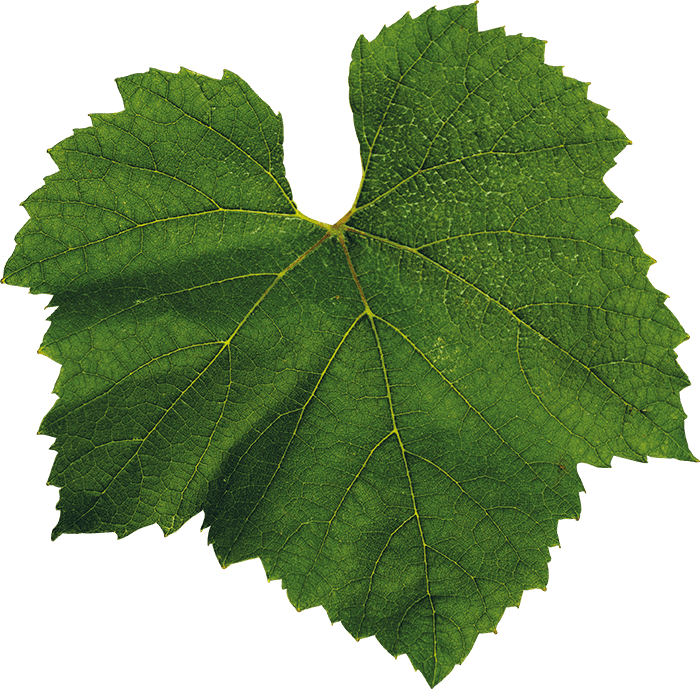
chardonnay leaf
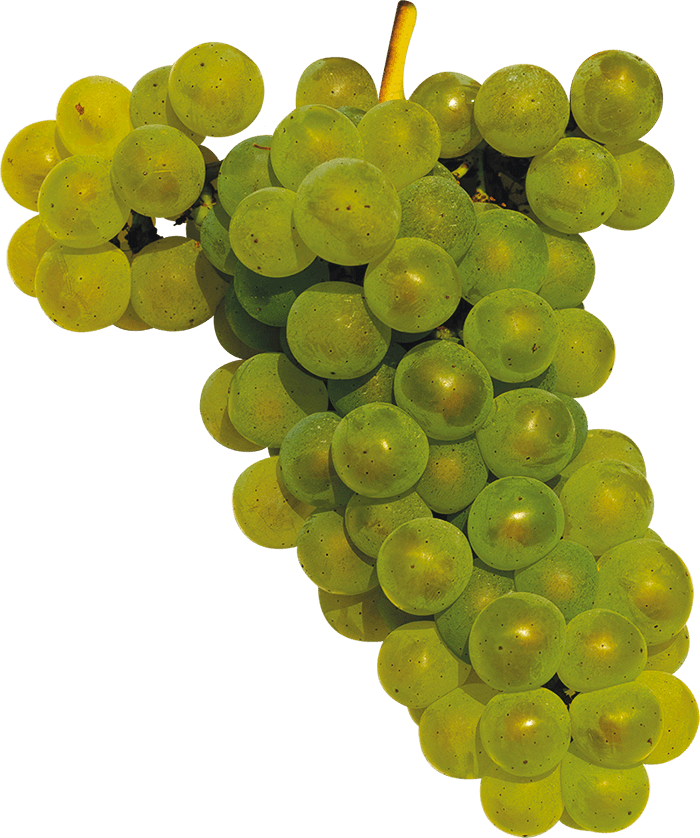
chardonnay cluster
The Production Method

Next page: