


intro
The Terroir and the Method
The Wines: Tasting, Serving and Matching

The Terroir and the Method

01Soil
02SEDIMENTARY SOILS
03METAMORPHIC ROCKS
The Soils of Alta Langa
The Soils of Alta Langa
From an essay byEdmondo Bonelli
HOW THE SOIL WAS FORMED
If one wants to know and understand an area, a good place to start is the rocks and soil it is composed of. The rocks determine the territory’s topography, and over time, their various degrees of erosion create different landscapes for each geological formation. So the hills we admire today are the result of weathering over time, which has had different effects on the rocks, shaping smooth, low elevations or carving out steep slopes. The rocks also form the soil, to which they contribute their components, modified in time to a greater or lesser extent. This soil provides the foundation for all life on land. Grapevines are extraordinary in their own right: not content, like other plants, to draw water, nutrients and a solid anchorage from the soil, but able to convey to our senses the subtle differences between the rocks and soils they are grown on.
ALL OF THIS REQUIRES THE RIGHT DOSE OF HUMILITY AS ONE REALIZES THAT THERE IS AN ANCIENT RELATIONSHIP BETWEEN VINES AND SOIL, SOME OF WHICH IS STILL A MYSTERY.
The Alta Langa region spans two geological areas: one of sedimentary origin, and the other of crystalline origin. The former is more prevalent and characteristic, in that it accounts for over 90% of the designation area, while, currently, the latter is very sparsely planted with vineyards, although it may hold some interesting surprises in store for the future, as it is radically different from the more traditional grape-growing area.
Geological map of the Alta Langa
- Recent Floodplains
- VILLAFRANCHIAN AND ANCIENT TERRACES
- BLUE CLAYS AND ASTI SANDS
- VENA DEL GESSO (GYPSUM STREAK) FORMATION
- SANDSTONES OF DIANO
- SANT’AGATA FOSSIL MARLS
- LEQUIO FORMATION
- MURAZZANO FORMATION
- CASSINASCO FORMATION
- CESSOLE MARLS
- Cortemilia Formation
- PAROLDO MARLS
- MONESIGLIO FORMATION
- ROCCHETTA FORMATION
- MOLARE FORMATION
- ALPINE AND APENNINE CRYSTALLINE ROCKS
Sedimentary soils
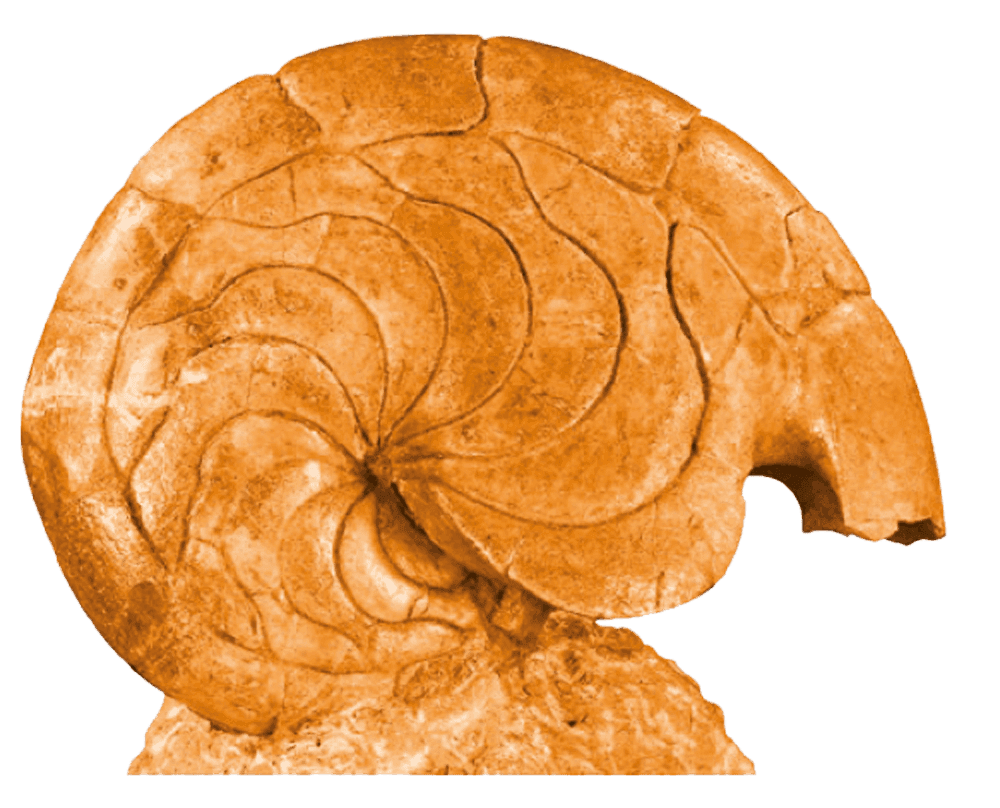
FOSSIL OF ATURIA, A NAUTILOID MOLLUSK TYPICAL OF THE DEEP FORMATIONS OF THE UPPER LANGHE
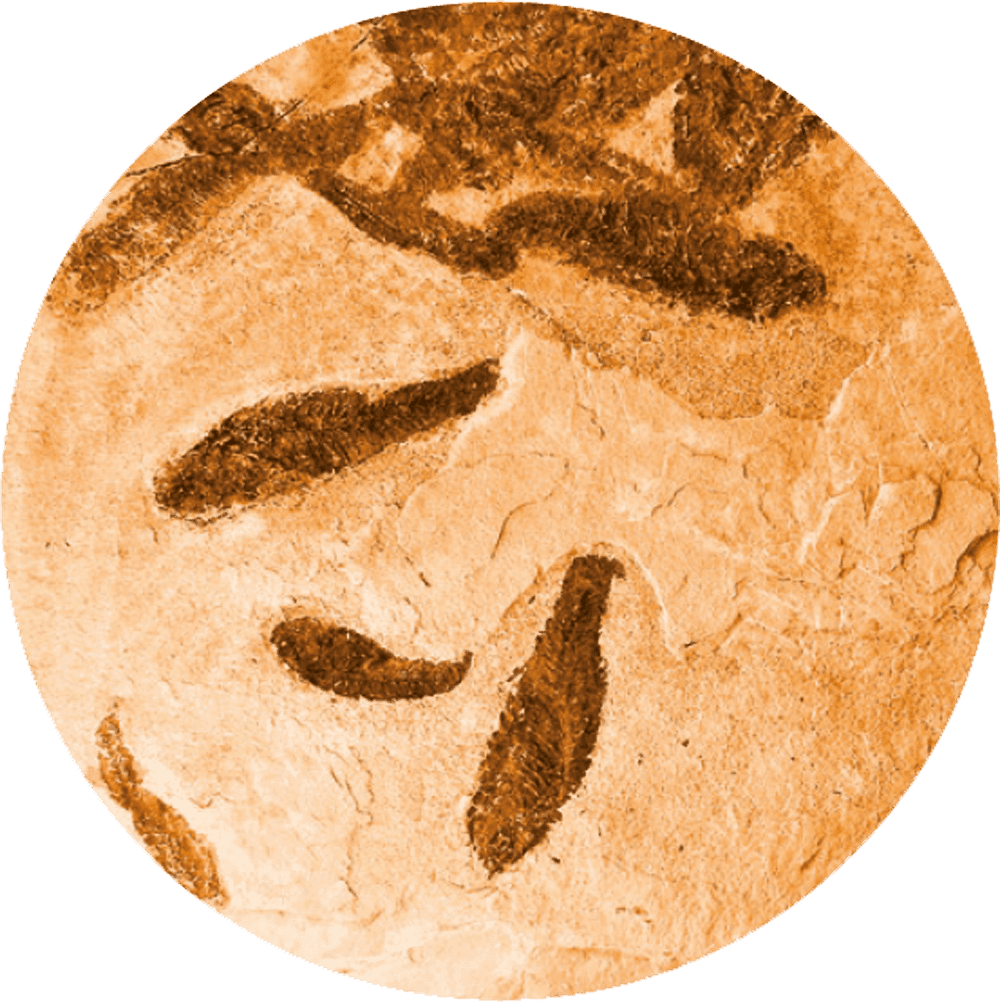
FOSSILS OF APHANIUS, A SMALL FISH TYPICAL OF THE VENA DEL GESSO (GYPSUM STREAK) FORMATION
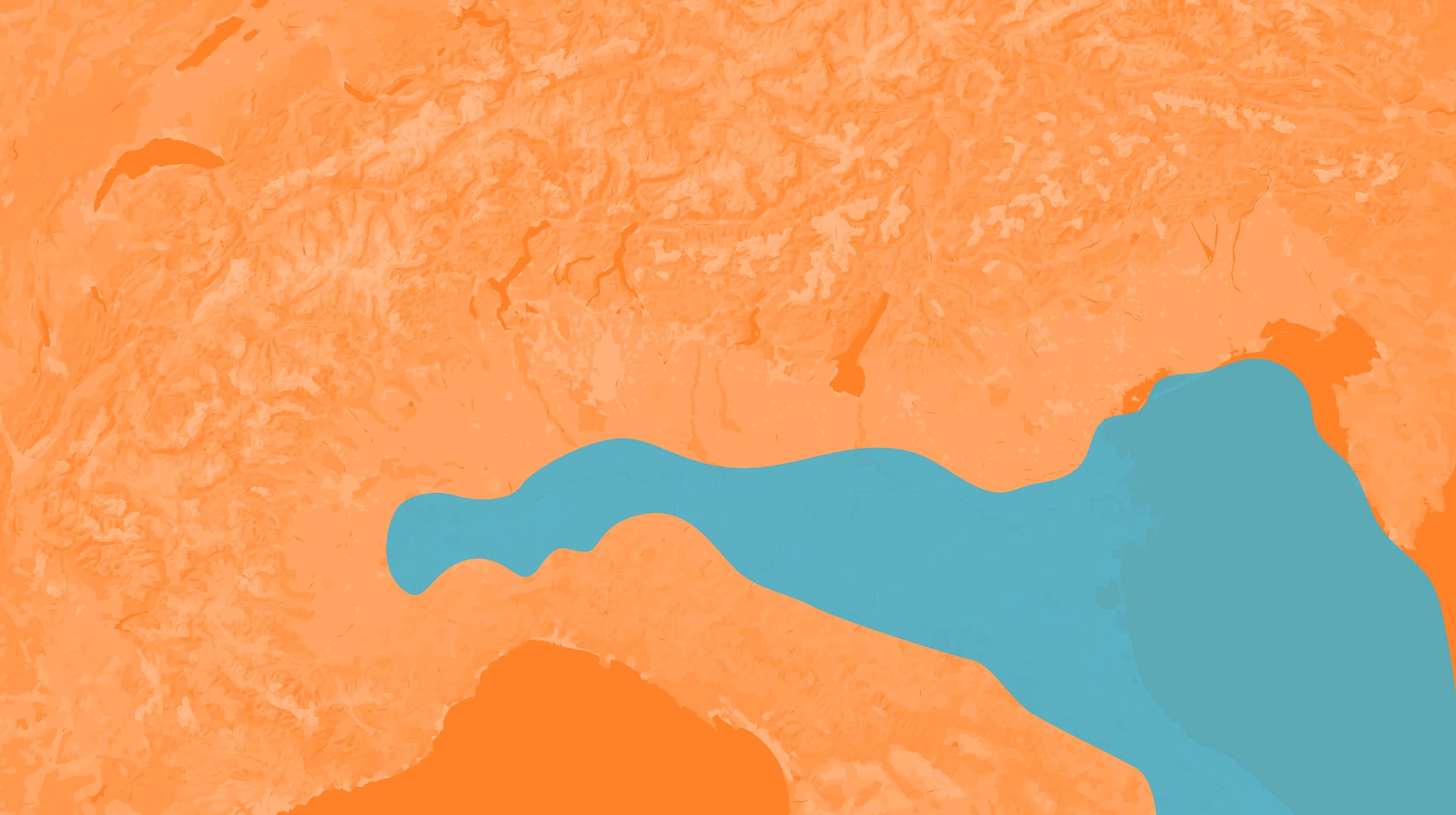
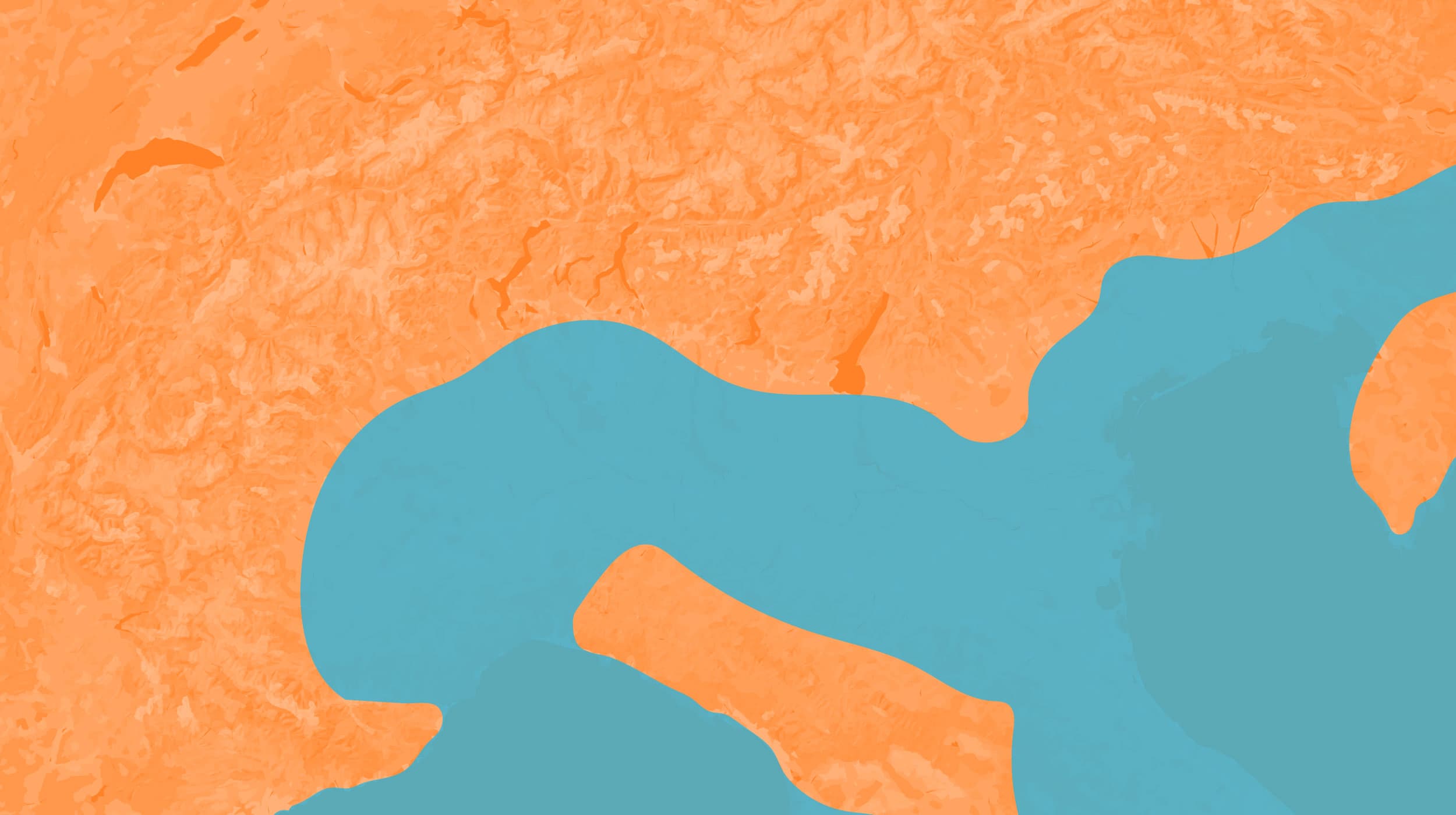
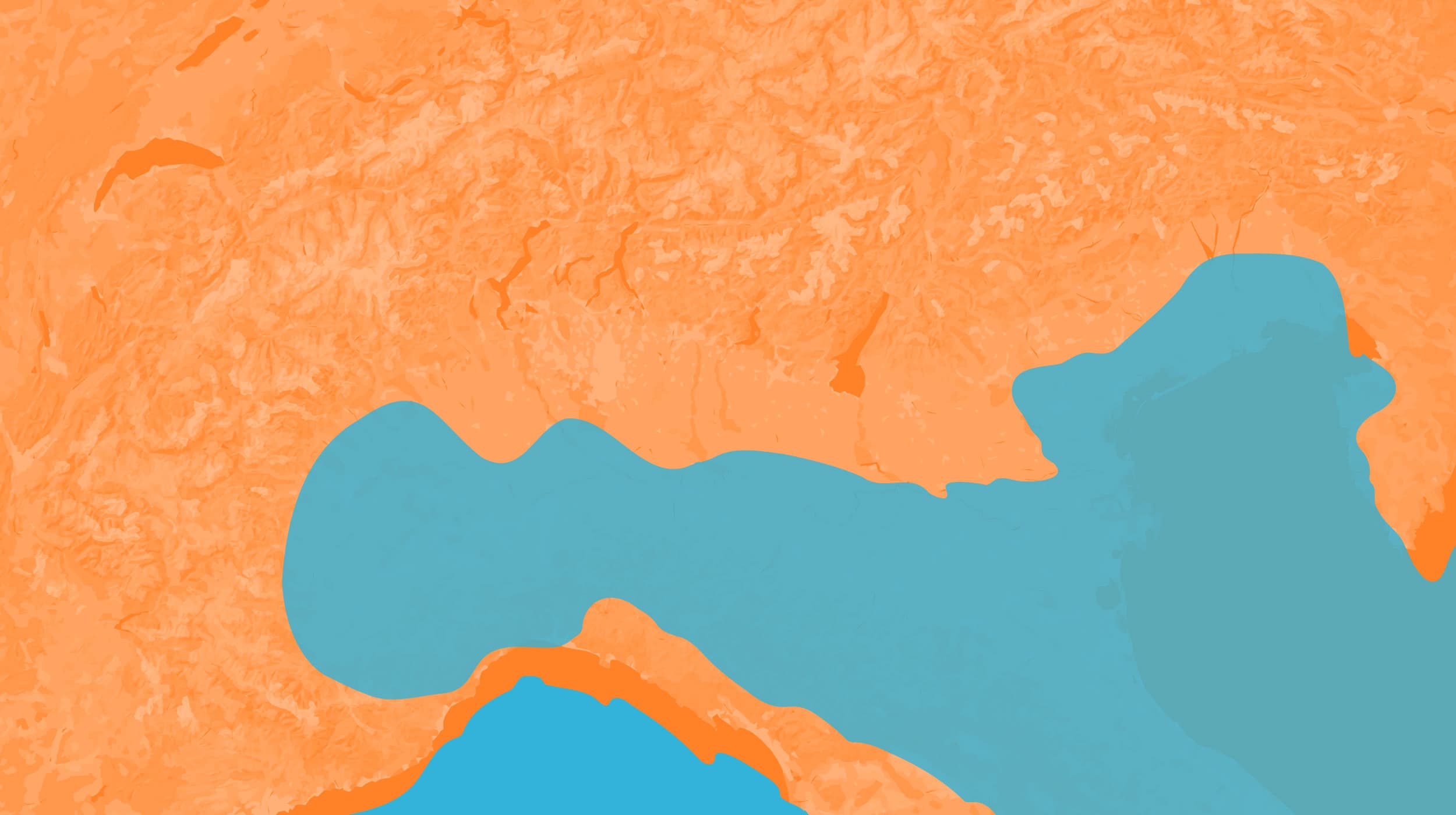
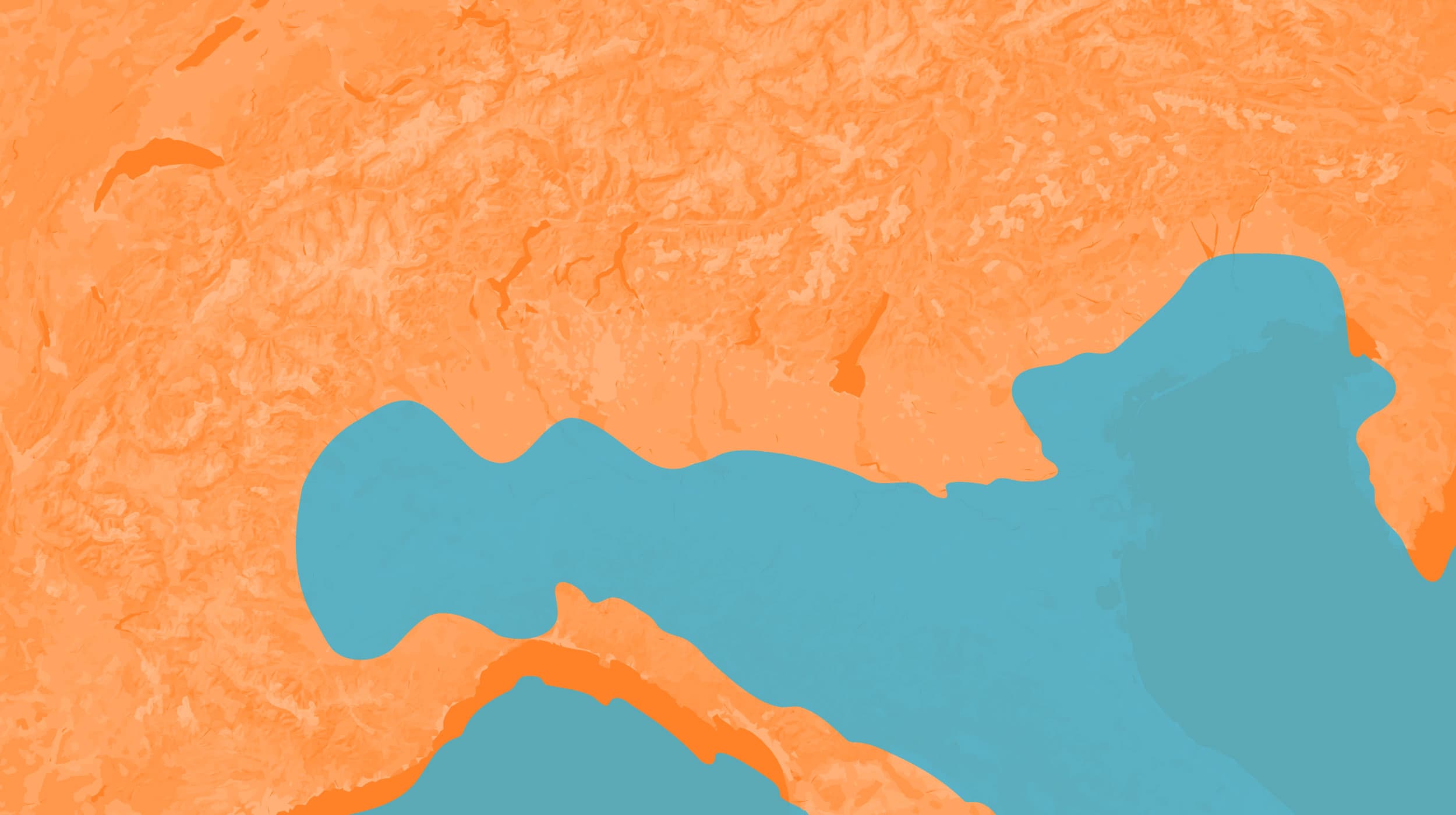
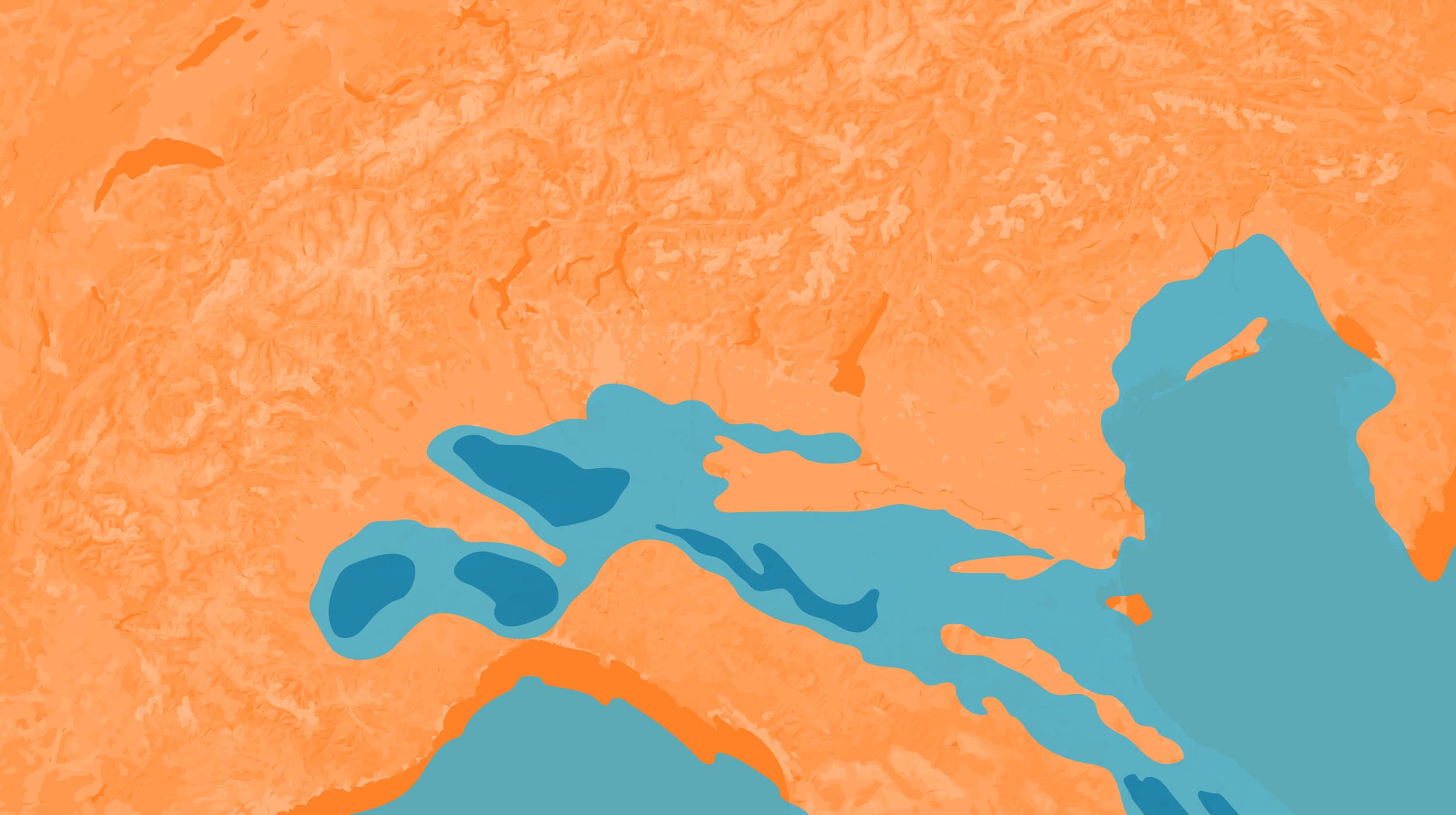
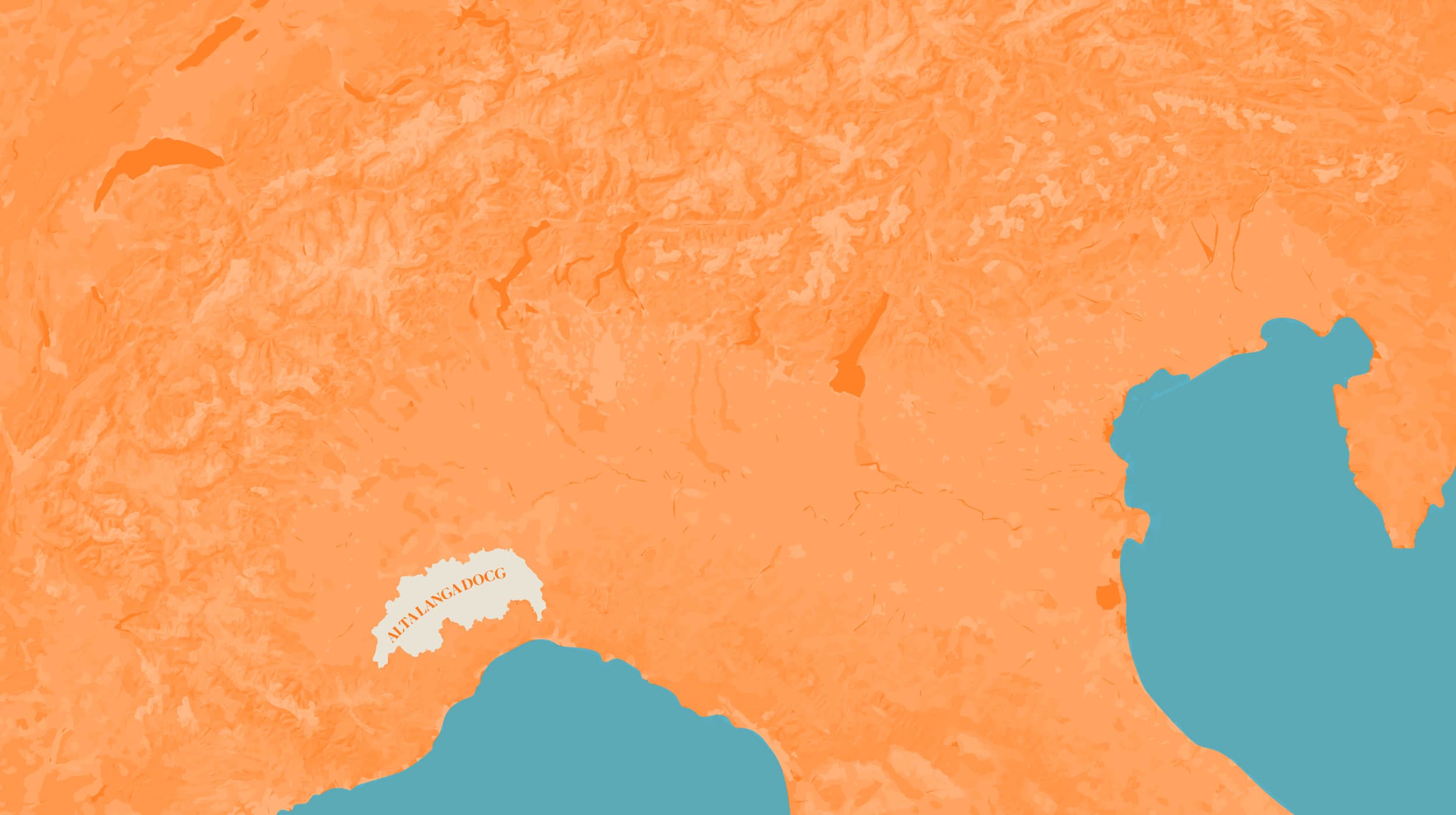
Sedimentary rocks are defined as those generated by the accumulation of sediment of various origin. In this case, the sedimentary deposits were all formed on the seabed (or lagoon bottoms) of the so-called Piedmont Tertiary Basin, whose waters covered all of southwestern Piedmont for 30 million years.
In ancient times, the sea extended over all of today’s Piedmont flatlands, and rose to cover some of the lower hills as well, so that where the Langhe is today, there was a deep basin that extended as far as the Ligurian Apennines and reached the Alps around Cuneo, and to the north skirted the Turin hills. This vast depression was formed by powerful shifts in the Earth’s crust, which resulted in the formation of the Alps. While on one hand the collision of the plates raised up the mountain range, on the other it sank downward, making the sea as deep as almost one kilometre at some points.
Within this basin, for a very long time – over thirty million years – huge amounts of sediment accumulated, forming layers of uninterrupted deposits several kilometres in depth.
These changes all influenced the sedimentary deposits, which vary in composition according to some conditions: during the more turbulent phases, larger components were transported and accumulated, such as pebbles, gravel (over 2 mm) and sand (between 2 and 1/16 mm), while during calmer periods there was an accumulation of finer particles, like silt (between 1/16 and 1/250 mm) and clay (smaller than 1/250 mm). Depending on the origin of the currents, minerals rich in magnesium or potassium were deposited, and the fossil record shows that the organisms living in the Basin varied according to its depth and the climatic conditions of the period.
The history of the Basin is written in the rocks. The sediments were gradually buried by other strata and then transformed into rocks by compression over time. Thus, the layers composed primarily of silt and clay turned into the soft, bluish grey rocks called marl. On the other hand, those composed of sand have kept their name if they have not bonded together, but when instead they have undergone lithification, they have become arenites, also known as sandstone, the famous “Pietra di Langa”, highly regarded as a building material, today as in the past.
All the sedimentary rocks in the area are rich in limestone, or calcium carbonate (CaCO3), consisting of the fossilised shells of microorganisms and the direct precipitation from seawater onto the seabed, making the resulting rocks alkaline, i.e. with a high pH.
The pH of the soil has a great impact on the life of plants, because it influences their capacity to absorb nutrients through their roots. In general, grapevines can prosper in either type of soil, but as we shall see, on the Alta Langa hills, the most coveted locations for vineyards are often those with a high calcium carbonate content, which modulates the absorption of nutrients and contributes to the overall health of the vines, as well as having a considerable impact on the aromatic profile.
The long history of the Basin ends about 2.5 million years ago, when the sea drained away from Piedmont. In fact, the thrusts deep within the Earth’s crust changed direction about 10 million years ago, because after the downward push, the plates began to rise up again, lifting up the entire area and causing the layers of sediment to emerge gradually, tilted in a northwesterly direction. Progressively, the rocks that had been hundreds of meters underground were lifted to the surface, where they were immediately exposed to weathering, which began to modify them, a process that is still underway today. Being made up of finer particles, the marls were less prone to erosion, and formed soft, rolling hills with long, gentle slopes. The sands, being more easily eroded, formed steep slopes and hills with sharper, harsher summits. This led to the formation of impressive systems of ravines.



Gravel

Sand

Silt

Clay
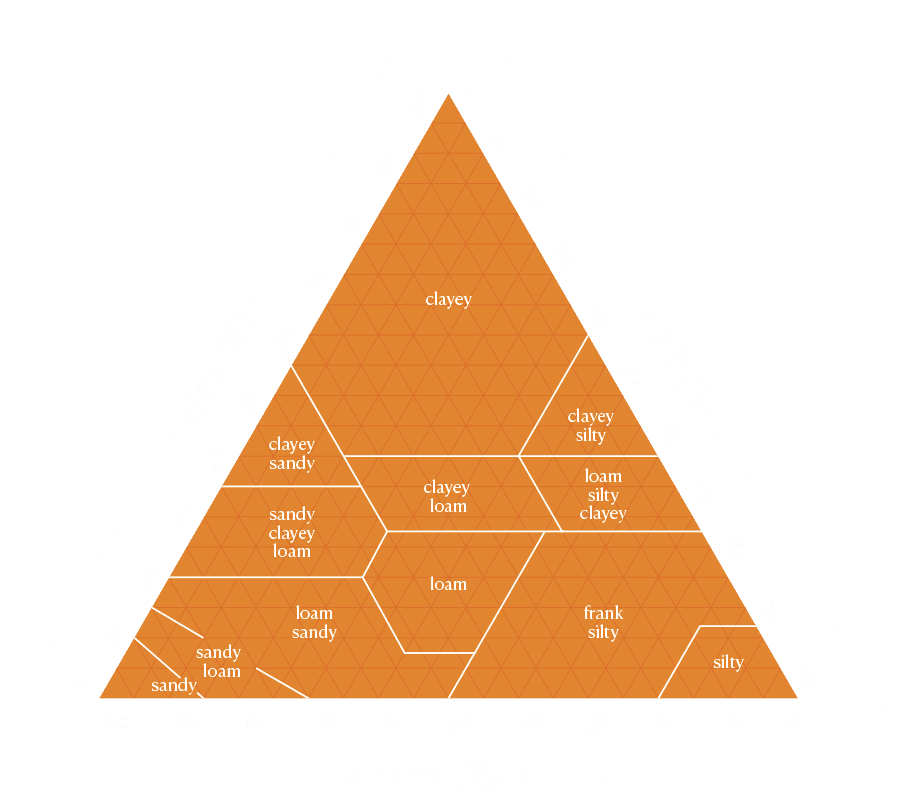
THE TEXTURE TRIANGLE
SOIL COMPOSITION BY PARTICLE GRAIN SIZE (SAND, SILT, CLAY)
The various geological formations are defined based on their composition and conformation, and the era in which they were formed.
- The oldest is the Molare formation, composed of the first shallow sea deposits and coral reef, the first chapter in the history of the Basin. The sands and sandstone of this formation are very rich in fossils and minerals containing magnesium, and thus have a characteristic greenish tinge.
- The Rocchetta formation, made up almost exclusively of flaky marls, indicating a rapid deepening of the Basin. The Rocchetta formation is characteristic, generating the typical ravines that cut through the landscape, easily visible in a swath that runs from the Bormida di Spigno valley to Tagliolo Monferrato.
- The formations of Monesiglio, Cortemilia, Cessole, Cassinasco, Murazzano and Lequio reflect the typical landscape of the Upper Langhe, with layers of marl and sand or sandstone.
The pattern of marl and sand strata was produced by the climate of the era, which was characterized by alternating dry and rainy periods; the marl layers resulted from stable seabeds with silt and clay deposits, while sand is an indication that submarine landslides caused a downslope movement of coastal sand to the sea floor, especially during the rainy periods, and that rivers were transporting large amounts of debris to the sea.
This soil sequence is so important and relevant for researchers that its central stage has been named “Langhian”. It spans from 16 to 13.8 million years ago.
All the strata display some sand content, but with significant variability among them. During the Langhian age, on the hills near Ceva, a formation that is somewhat different from the others was deposited: the Paroldo marls. As the name suggests, strata of marl largely predominate over sand, resulting in silty soil, conducive to wines with more concentrated expression, also thanks to the cool microclimate guaranteed by the nearby Alps.
The Cessole marls, which surface along the course of the Bormida, are a formation rich in layers of sand, yet mostly made of marl, and thus yields compacted, silty soils.
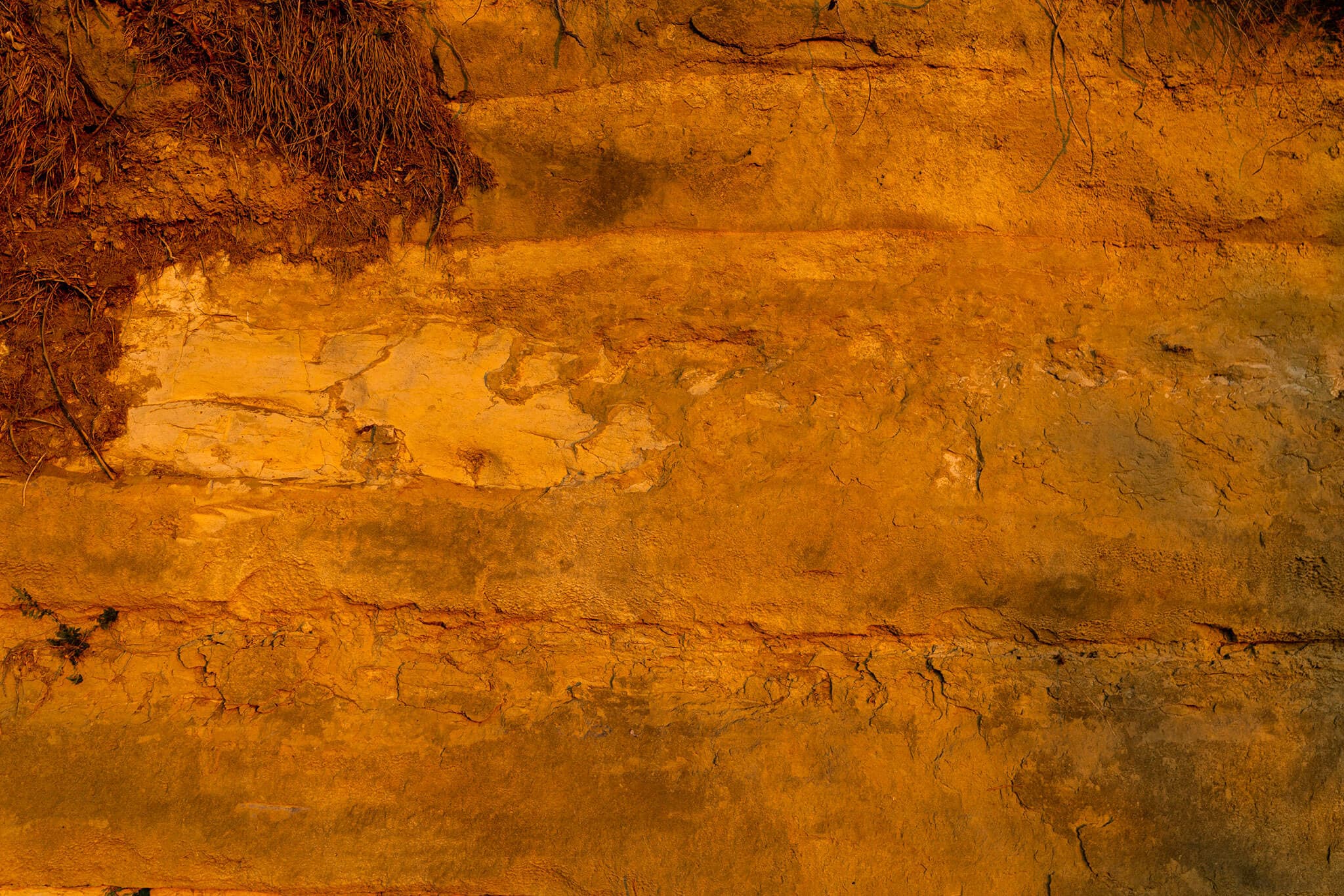
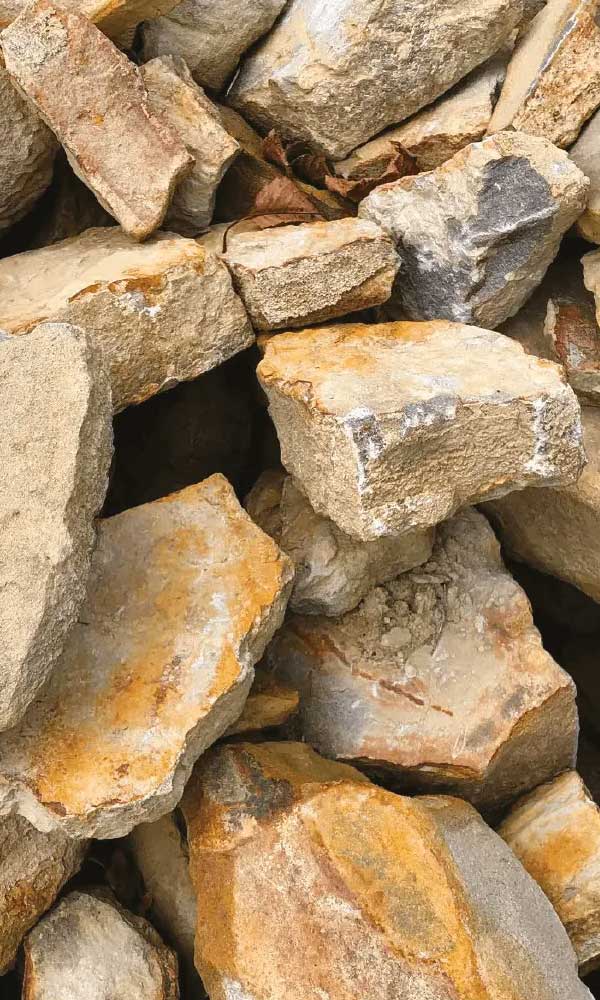
PIETRA DI LANGA, COMPACTED ARENITES - BOSSOLASCO
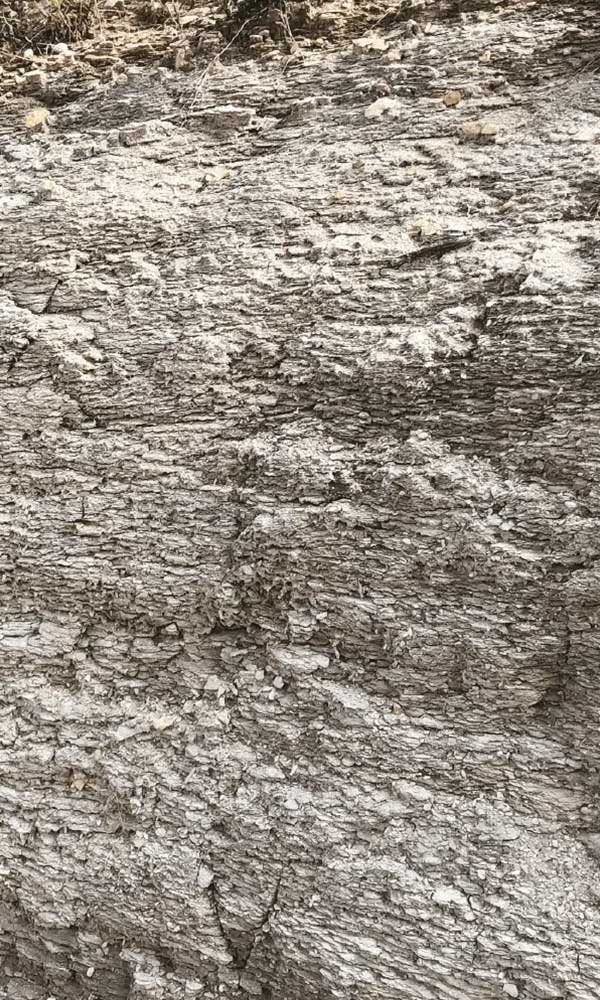
SANT’AGATA MARLS - MONFORTE D’ALBA
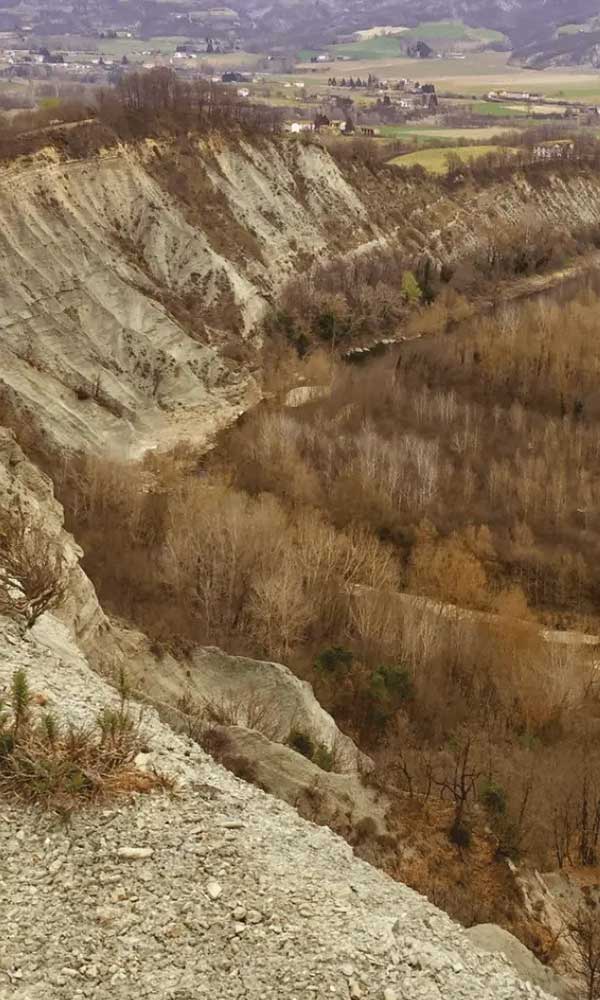
RAVINES IN THE ROCCHETTA FORMATION - ROCCAVERANO
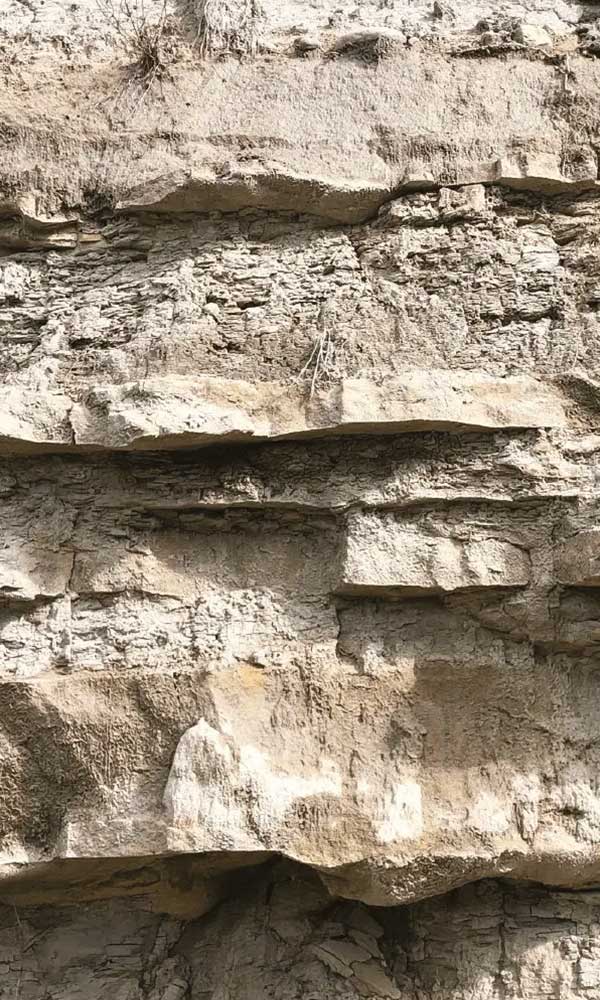
CORTEMILIA FORMATION - CORTEMILIA
The deposits of the most recent formations began forming during the Basin’s declining phase, although it would be several million years before the sea definitively withdrew from Piedmont, and then sediment continued to accumulate from rivers when the sea had gone. These are the Sant’Agata fossil marls, the Vena del Gesso formation, the Blue Clays, the Asti sands, the Villafranchian complex and the riverine terraces. All these formations are found in the hills with the lowest altitudes in the designation area.
- Around Alba, there is a minor formation made almost exclusively of sand: the Diano sandstones, which originated during the Tortonian stage.
- The Sant’Agata fossil marls primarily consist of marl layers, thus generating soils essentially made of silt.
- The Vena del Gesso formation is very characteristic because of its geological peculiarities: it consists of marl layers just like the others, but alternating with strata of gypsum crystals (calcium sulfate, or CaSO4), which were deposited here when the Mediterranean dried up almost completely 6 million years ago, during the Messinian period. The Cassano-Spinola Conglomerates also date back to the Messinian. Contrary to their name, they emerge in the Alta Langa designation area as layers of silty-clayey marls, occasionally interlayered by isolated, massive sand strata, and generate silty-clayey soils, generally calcareous.
- More recently, the Blue Clays were formed; these are also a marl formation, but are characterised by an almost identical composition of sand, silt and clay.
- The final chapter in the history of the Piedmontese sea is found in the Asti Sands: beach and shallow-water deposits that have produced accumulations of very fine sand, bordering on silt in grain size. This clearly distinguishes them from the coarser sands of the Upper Langhe. The soils are sandy and therefore light, yet capable of retaining a certain amount of moisture at depth. The hills here are subject to rapid erosion, with extremely steep slopes and sharp summits.
- 2.5 million years ago, the cycle of the Piedmont Tertiary Basin came to an end. In place of the sea, there were hills and marshy plains, where red river gravel and sand—containing little or no limestone—were deposited. These are the most recent formations belonging to the so-called Villafranchian Complex and the River Terraces: soils rich in clay, generally acidic or barely neutral, and full of rounded pebbles. They are found on the northeastern edges of the designation area.
SOILS OF CRYSTALLINE ORIGIN
These are metamorphic rocks of the Alpine and Apennine type, to be found on the southeastern edge of the designation area – once very deep in the Earth’s crust. These rocks are much older than any we have seen so far, and include a diversity of forms: basalt, serpentinite, gabbro, granite, dolomite and schist.
Today, they are rarely used for vineyards, but they could present an exciting new challenge for those interested in exploring land that might hold some interesting surprises.
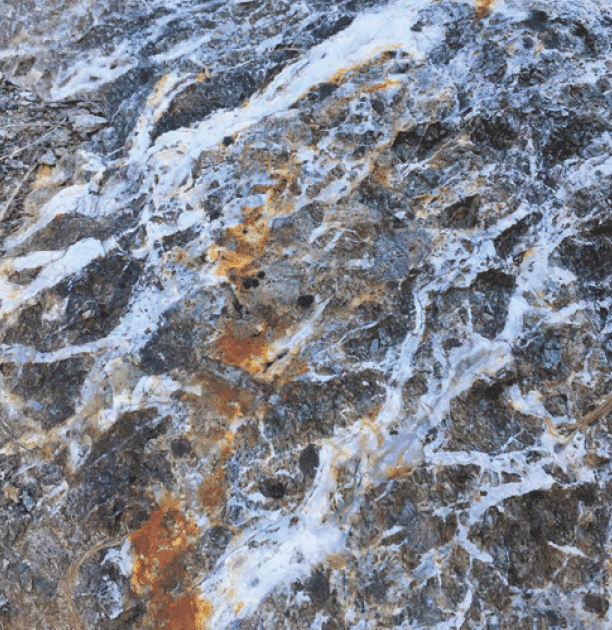
Serpentinite - Cartosio
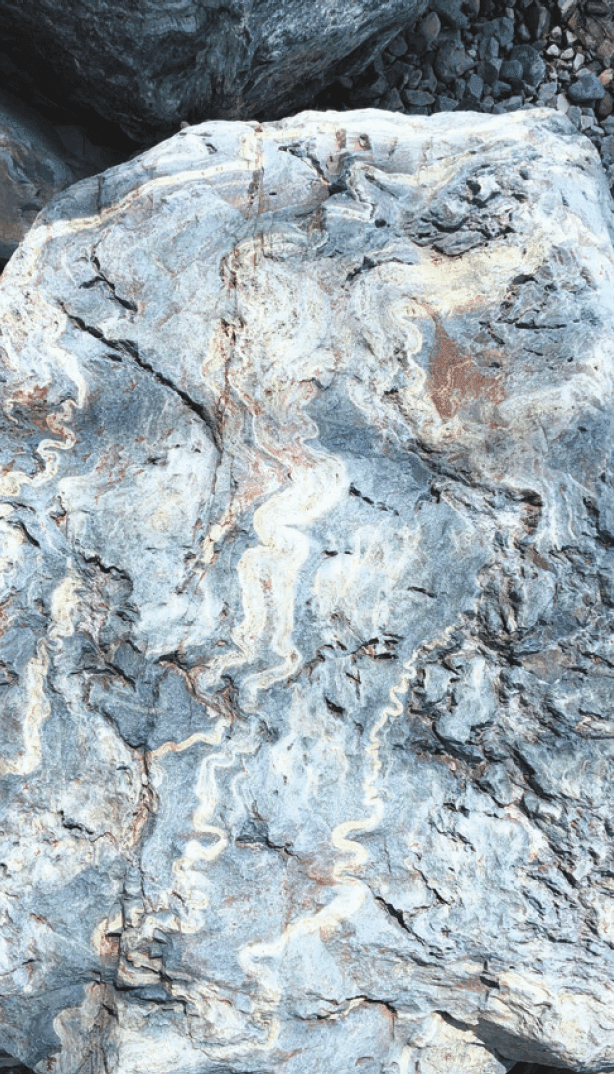
Basalts - Valle Erro
Viticulture in Alta Langa
Next page: